Search This Blog

Tuesday, December 30, 2014

The Glue-Sniffing Street Kids of Somaliland

Ismail Yahye, who works for the Save the Children campaign, used to be a Somaliland street kid himself. He despairs at the pipe dreams they are fed before relocating from Ethiopia—many leave home believing the rumors about how life is so much better in Somaliland.
Mohamed poses for the camera while Ibrahim takes a hit from a glue bottle behind him.
We know you’re busy. You probably didn’t have time to read every article we published on VICE.com this year. So we’ve compiled a list of some of our favorites and will be re-featuring them on the homepage until the end of 2014. This one originally published on January 21st.
On an ordinary night, after the sun sets over Hargeisa, Somaliland, Mohamed packs up his shoe-shine kit and heads to the storm drain where he lives when he’s not working. All things considered, it’s a good spot for the 12-year-old to sleep—the discarded snack wrappers and plastic bottles help keep him warm, and when the sun creeps in each morning the shadow of a nearby skyscraper shields him from the heat.
The skyscraper, which was built in 2012 and houses a company whose business is to bring high-speed internet from neighboring Djibouti, is one of the many symbols of Hargeisa’s relative wealth. The city itself is the crown jewel of Somaliland, a self-declared republic in northwest Somalia.
Although Somaliland’s sovereignty has yet to be formally recognized by any other country or the UN, it has its own democratically elected government and a 30,000-strong military. Its nascent borders contain valuable natural resources—the Turkish oil company Genel plans to drill for oil there in the next two years—and the bustling northern port city of Berbera, which are two good reasons Somalia doesn’t want the region to secede. The government in the terror-torn capital, Mogadishu may also be clinging to the hope that Somaliland’s peace and prosperity could spill over into the rest of the region. But whatever the contours of this convoluted political landscape, at the very least Somaliland feels like a separate nation; houses in Hargeisa fly the tricolored flag the region adopted in 1996 instead of Somalia’s sky-blue standard.
Just a few decades ago, Somaliland was a broken place. Under the rule of Siad Barre, a ruthless dictator who took control of Somalia in 1969, nine years after the end of European colonial rule, Somalilanders were brutalized and disenfranchised. Barre forbade any explicit mention of the clan lines that have long divided the region from Somalia, and his troops infamously opened fire on protesters outside Hargeisa’s soccer stadium in 1990. After Barre was ousted in 1991, Somalia fell into a deadly civil war that is still being fought 23 years later. For over a decade, Hargeisa remained a tattered, smoking shell of a city.
Slowly, however, things started to change. The city has been bombing-free since 2008, which by the standards of its geopolitical neighborhood is a minor miracle. The region’s relative safety has persuaded thousands of wealthy Somalilanders who fled the unrest for the US, Europe, and Asia to return to their homeland, bringing their Western cash with them. The now autonomous region has its own currency, 16 universities, and more than 200,000 students enrolled in primary and secondary schools. If southern Somalia is a nation by name only, then Somaliland is its antithesis—a country in all but name, at least officially.
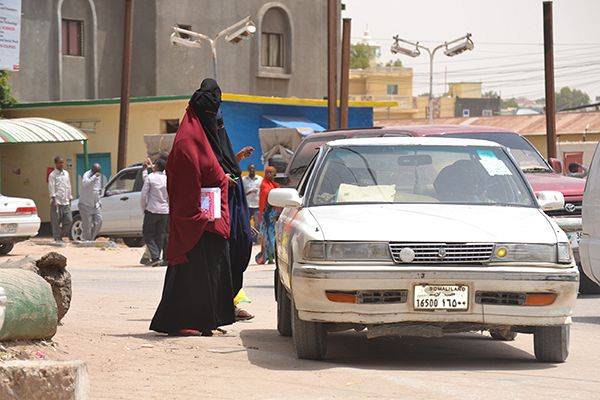
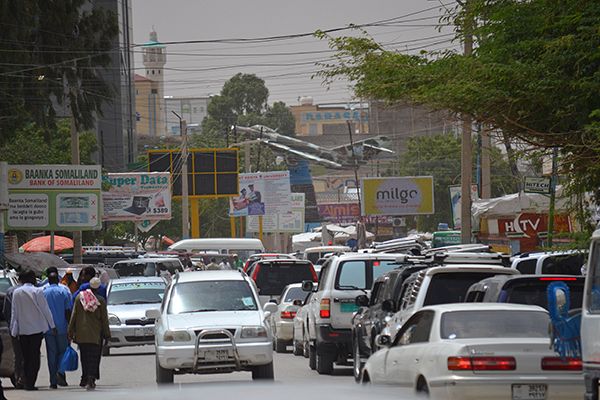
No matter how prosperous Somaliland might become, it’s doubtful that any of that good fortune will trickle down to Hargeisa’s homeless children—young outcasts living completely on their own who are at best ignored and at worst abused and treated like vermin. They are a near-constant presence, crawling around the shadows of alleys and squares in a city where poverty and wealth butt heads on nearly every street corner: shiny new office blocks sit beside ancient shacks, currency traders have set up open-air stands where they display piles of cash, Hyundais brush past donkeys down the city’s sole paved street.
Behind that street is a café that serves up coffee and soup to midmorning breakfasters. This is where I first met Mohamed. “Salam,” he said quietly after I introduced myself.
Mohamed told me that if he sleeps too close to the skyscraper that shields him from the light of dawn, a security guard beats him with an acacia branch until he bleeds. I noticed that he had an old lemonade bottle tucked under his filthy sweatshirt. It was filled with glue, perhaps the only escape he has from his harsh existence. He took huffs every few minutes as he spoke to me: “I could stop. I could definitely stop. But it’s hard… And why?”
According to the Hargeisa Child Protection Network, there are 3,000 to 5,000 homeless youth in the city, most of whom are Oromo migrants from Ethiopia. Around 200 a year complete the voyage through Somaliland and across the Gulf of Aden into Yemen, where they attempt to cross the border to Saudi Arabia and find work; many more don’t make it.
For more than four decades the Oromo have been fleeing persecution in Ethiopia, where they have long been politically marginalized. Mohamed arrived in Somaliland as part of this ongoing migration. Five years ago, he told me, his family made the 500-mile trek from Addis Ababa, Ethiopia’s capital, to Hargeisa. The Somaliland government claims up to 80,000 illegal immigrants—mostly Ethiopians—reside in its territory. Many of them trickled in through the giant border of Ogaden, a vast, dusty outback on the edge of Ethiopia’s Somali Region (the easternmost of the country’s nine ethnic divisions, which, as the name implies, is mostly populated by ethnic Somalis). Some travel in cars arranged by fixers. Others make the long journey on foot. Almost all won’t make it past the border without a bribe. Given their options, a few bucks for freedom seemed liked the best deal for Mohamed’s family. But after their migration, things only got worse.

Outside downtown Hargeisa’s central market.
A short time after his family arrived in Somaliland—he’s not sure exactly when—Mohamed’s father died of tuberculosis. Quickly running out of options, he left his mother in a border town called Borama to try to eke out a living, working whatever job was available some 90 miles away in Hargeisa.
Instead Mohamed ended up where he is now, wandering around the city with his friends and fellow Ethiopian migrants Mukhtar and Hamza (all three have adopted Muslim-sounding names to better blend into the local population). Their days mostly consist of shining shoes for 500 Somaliland shillings (seven cents) a pop and taking many breaks in between jobs to sniff glue.
On a good day, the boys will combine their meager earnings and pay to sleep on the floors of migrant camps on the outskirts of town, where persecuted people from all over East Africa live in corrugated shanties in the desert. If they don’t shine enough shoes, it’s back to the storm drain. “I live in the walls,” Mukhtar said. “No one knows me.”
Though they fled Ethiopia to escape persecution, the Oromo migrants often endure even worse treatment in Hargeisa. The first time I met Mohamed’s friend Hamza he was plodding through the crowd at an outdoor restaurant, offering shoe shines in the midday sun. An older man dressed in a cream apparatchik suit like a James Bond villain sitting next to me shouted at the child, who cowered, turned, and ran away. “Fucking kids,” he said to me in perfect English. “God can provide for them.”
Reports by the local press on Hargeisa’s growing homeless- youth population have done nothing to help the kids’ reputation. The authorities have told journalists that street kids are the city’s gravest security threat amid a backdrop of tables covered with gruesome shivs, shanks, and machetes supposedly confiscated from the wily urchins. “The grown-up street children have become the new gangsters,” local police chief Mohamed Ismail Hirsi told the IRIN news agency in 2009.
Officials are similarly apathetic to the notion of helping the young migrants get out of their rut, likely because Somaliland and Somalia are already dealing with enough horrific humanitarian crises without having to worry about another country’s displaced people—in 2012, the number of Somalis fleeing their own country topped a million.
Somaliland boasts “a vibrant traditional social-welfare support system,” according to its National Vision 2030 plan—a grand scheme unveiled in 2012 that aims to continue to improve the region’s standard of living. The plan also acknowledges that “there are, however, times when vulnerable groups such as street children, displaced people, young children, and mothers are excluded from traditional social safety nets [and] the government… has a responsibility to intervene.” So far, the only evidence that the government intends to follow through with the plan is a struggling 400-capacity orphanage in Hargeisa. Unsurprisingly, government officials in Somaliland refused repeated requests for comment on this issue or any other issues pertaining to this article.
At the Somaliland government’s last count, in 2008, the region’s population was 3.5 million, but with so many people flooding in from the south and Ethiopia each year, it’s impossible to say how many hundreds of thousands more live there now. It’s hard to assign all the blame to the burgeoning nation’s embattled and overwhelmed authorities; there’s simply no room and too few resources to think too deeply about glue-addicted kids roaming the streets.
One claim that the government can’t make is that these kids have chosen to live in squalor; for them, there are no viable alternatives. Somaliland offers no government-funded public education—schools are generally run by NGOs, and other private groups rarely accept Oromo children as students. Even if they did, enrollment would be a nightmare because the vast majority of these kids are without identification, homes, or relatives living nearby. They’re often left on their own to scratch out an existence in a city that hates them and offers them next to nothing.
Ismail Yahye, who works for the Save the Children campaign, used to be a Somaliland street kid himself. He despairs at the pipe dreams they are fed before relocating from Ethiopia—many leave home believing the rumors about how life is so much better in Somaliland.
“The main reasons they come here are for economic prosperity and job opportunities,” he said. “They pay bribes at the border and come by foot. They can’t return. They’re trapped.”
The Hargeisa Child Protection Network reports that 88 percent of the city’s homeless children have suffered some form of sexual abuse or harassment. All of the boys I met denied having been raped or abused during their time on the streets, but my fixer told me he strongly believed that they were too ashamed and scared to admit to any such incidents.
Mukhtar stands outside the Ethiopian café where he shines shoes every day.
In this very unfriendly and inhospitable city, a Somali American named Shafi is one of the few residents who goes out of his way to help the kids. In another life, Shafi was a drug dealer in Buffalo, New York, a job that landed him in prison before he cleaned up his act and decided to return to the city of his birth to do good. Now he provides Hargeisa’s street urchins with the occasional meal, helps them organize games of soccer or basketball, and finds safe places where they can stay at night. But he is only one man and knows he can’t save them all. Most still end up sleeping in the drains, left to die of starvation or diseases like tuberculosis and typhoid fever. “I’ve carried quite a few dead children through these streets,” he told me.
Many kids earn small amounts of cash doing menial tasks like shoe-shining and washing cars. Others find work running alcohol, which is illegal in the Muslim state. If you ever find yourself at a party in one of Hargeisa’s sprawling, plush villas, chances are the gin in your gimlet was smuggled into the country by a kid who sleeps in a gutter.
It was with Shafi’s help that I was first able to meet Hargeisa’s Oromo children. He told me the best place to find them was around the convenience stores they visit daily to buy fresh glue. On our first attempt and without much searching, Shafi and I found a couple of kids who appeared to be homeless hanging out in an alley near a school. We spoke with them for a bit, and when I felt that everyone was comfortable I pulled out my camera. Before I could take their photos, a guy who said he was an off-duty cop appeared out of nowhere. He approached us, shouting at me in gravelly Somali and quickly confiscating the bottles of glue from the kids.
“He called you a pedophile,” Shafi translated, adding that it would benefit me to reimburse the boys for their stolen solvents.
After the cop left, one of the boys grew somber. “I hope I stop using,” he said. As he spoke I noticed the painful sores etched across his face. “I just miss my family. I haven’t seen them in years. I’m alone and no one helps me.”
The stigma that surrounds these children is such that even those trying to help them are treated with suspicion—as are reporters hoping to tell their story, as I found out the hard way one night while Shafi and I were trying to track down Mohamed and his friends.
It was a typical breezy fall evening, full of the usual scenes: men sipping tea and debating loudly, women and children hustling soup and camel meat, a mess of car horns cleaving the air. Shafi was sure the kids were nearby, but that didn’t mean much because they usually try to remain hidden so as not to cause a scene.
It didn’t take much time to spot Hamza’s tattered bootleg Barcelona soccer jersey peeking out from behind the edge of a wall. As we approached, more kids appeared from behind parked cars and emerged from alleys, and some even popped out of a nearby storm drain. Within minutes more than two dozen homeless children had surrounded us, clamoring for cash and posing for pictures. An empty square in the middle of town had suddenly transformed into a glue-sniffers’ agora.
Our time with the kids didn’t last long. A couple minutes later an old man who was lounging outside a nearby café decided he’d had enough, sprung to his feet, walked over to us, and began hitting me and the kids with his walking stick.
Some of the children scattered. Others stayed, presumably with the hope that holding out for the payout from the Western journalist would be worth the licks. In a surreal moment, as the old man continued to swing his stick and scream, one boy, who said his name was Hussein, walked over and, huffing on his glue pot, told me about his hopes and dreams. “I want to be a doctor,” he said, staggering about and staring straight through me. “Sometimes I dream when I get hungry. But there’s no food here, no help. I expected a better life. I don’t now. But sometimes, I wish.”
Just then, a scuffle broke out—the old man had lured a couple of his friends into the argument, and they came to the collective decision to grab me and smash my camera. Shafi and my driver, Mohammed, struggled to hold them back.
Two cops arrived on the scene soon after the scuffle. Instead of punishing the old man for attacking the kids and trying to destroy my camera, they dragged me off to a festering cinder-block carcass covered in graffiti that serves as the local jail.
“You cannot photograph the children without their permission,” the more senior cop said, pointing to my camera. “They do not want you to photograph them.”
Shafi translated as I tried to explain to the policeman that that the kids were clearly desperate forsomeone to be interested in their plight, and that they were even posing for pictures. That’s when I stopped, realizing that the subject wasn’t up for debate. It was clear that writing about or photographing these street children was taboo.
In the end, I compromised by deleting most of the photos I had taken and then sat in a corner of the jail while my driver, Mohammed, and my captors read one another’s horoscopes outside the gates.
A couple hours later I was released. Mohammed was waiting for me outside, and he immediately pulled me aside to tell me something that I had already accepted the moment I entered the jail: my reporting on the children had come to an end.
Mohammed looked unnerved. “We can leave now, Insha’Allah… The kids thing is over. They are invisible.”
Source: bharatpress.com

U.S. military bombs senior leader of al-Shabab terrorist group in Somalia


U.S. military drone dropped bombs on a senior leader of al-Shabab in Somalia Monday, striking another blow against the Islamic terrorist network.
Pentagon spokesman Rear Adm. John Kirby said in a statement that the airstrike took place in southern Somalia, near the town of Saakow. AdmKirby did not identify the leader who was targeted in the airstrike.
The military carried out the operation just days after al-Shabab leader Zakariya Ismail Ahmed Hersi surrendered to Somali police. Hersi had a $3 million bounty on his head.
The U.S. military was still searching Monday for evidence that the airstrike was successful, one senior defense official said.
“We’re still assessing the results of this operation,” the official said.
It was not known whether the senior leader of al-Shabab was traveling with other members of the terrorist network during the drone attack. No civilians were injured, AdmKirby said
“At this time, we do not assess there to be any civilian or bystander casualties,” he said. “We are assessing the results of the operation and will provide additional information, when appropriate, as details become available.”
In September, the U.S. military killed former al-Shabab leader Ahmed Abdi Godane in a drone strike. At the time, AdmKirby depicted the death of Godane as “a major symbolic and operational loss to al-Shabab.”
Over the past few years, al-Shabab supporters have seized control of towns, bombed restaurants popular with foreigners, banned the Internet and whipped women for wearing bras.
Source:  The Washington Times 

Egypt, Sudan Discuss Nile Water


Mutaz MusaSudanese Minister of Water Resources and Electricity

Sudanese water minister believes Egypt’s continued freezing of Nile Basin Initiative membership will not achieve the interests of Sudan and Egypt.

Sudanese Minister of Water Resources and Electricity Mutaz Musa stressed Sunday that Sudan will continue managing its water file with Egypt under a high level of “transparency, honesty and clarity”.

According to state-run MENA, Musa said Egypt’s frozen membership of the Nile Basin Initiative (NBI) “will not solve the [Nile] basin’s problems and will not achieve the interests of Sudan and Egypt, neither on the short nor on the long term”.

Musa added that it may further complicate the problem and drive other Nile Basin countries to find paths that do not involve Egypt or Sudan.

The minister made the statements during the third annual meeting of the joint Egyptian Sudanese technical committee on Nile Water, in the committee’s headquarters in Khartoum.

Musa is the current NBI chairman and has previously called on Egypt to unfreeze its activities in the initiative.
Egypt and Sudan had frozen their NBI activities in 2010 in protest of the signing of the Cooperative Framework Agreement by five Nile Basin countries. The agreement, which is also known as the Entebbe Agreement, has had Nile Basin countries split as it aims to re-divide water shares of the Nile.

Egypt has refused to sign the agreement and said it was “against the interests of Egypt and Sudan”.
Sudan however resumed its activities and returned to the initiative last year.

Downstream countries Egypt and Sudan together receive the majority of Nile Water, receiving roughly a combined percentage of 88 percent. As per agreements signed in 1929 and 1959, Egypt annually receives 55.5bn cubic metres of the estimated total 84bn cubic metres of Nile water produced each year, and Sudan receives 18.5bn cubic metres.

Founded in 1999, the NBI brings Nile Basin countries together in an effort to develop the river in a cooperative manner.

Musa believes that Egypt’s and Sudan’s interests are connected to their presence within the comprehensive cooperation system of the Nile Basin countries and not just through bi-lateral ties. He added that current challenges on the regional and international levels require more effort to come up with a joint vision that achieves the general benefit of the Nile Basin countries.

In October, Egyptian President Abdel Fattah Al-Sisi and Sudan’s President Omar Al-Bashir held bi-lateral talks in which they addressed the Nile River’s importance in developing the Nile basin countries.

The presidents also talked about the Grand Ethiopian Renaissance Dam, which Ethiopia is currently constructing along the Nile. The dam has been a point of contention between Egypt and Ethiopia, since

Egypt fears that it will affect its share of Nile water.

Source: news.sudanvisiondaily.com

Friday, December 12, 2014

DIFAACAYAASHA XUQUUQDA AADAMIGA SOMALILAND OO KU EEDEEYAY GUD. WAKIILADA SOMALILAND DAMBIYO KHIYAAMO QARAN AH IYO MIJO XAABINTA DIMUQURAADIYADA S/LAND


MAWDUUCA:   MILICSIGA WAAYAHA DUMUQURAADIYADA & XUQUUQDA AADAMAHA SOMALILAND SANADAKA 2014

Dhaqdhaqaaqyada Dimuquraadiyad-doonka iyo Difaacayaasha Xuquuqda Aadamiga Somaliland waxay guud ahaan shacbiga Somaliland iyo beesha caalamka ee ay isku aragtida yihiinba waxanu la qaybsanaynaa dareenkayaga aanu xusayno Maalinta Xuquuqda Aadamaha Adduunka 10 Dec. 2014.

XUSKA XUQUUQDA AADAMIGA ADDUUNKA IYO DIINTA ISLAAMKA:

Maanta waxanu xusaynaa 28 qodob oo ka mid ah Baaqa Caalamiga ah ee Xuquuqda Aadamiga adduunku (Universal Diclaration of Human Rights 'UDHR') kuwaasi oo aan ka hor imanayn Diinteena Islaamka. 2 Qodob ee kale waxay sheegayaan in qofku marka u doono uu diintiisa ka bixi karo marka uu doonana ku soo noqon karo iyo aadamigu marka ay gaadhaan da'da guurka (18 sano jir) way is guursan karaan iyadooaan loo eegin luqad, midab iyo diin, 2dan qodob waxa naga reebtay xuskooda diinteena Islaamka.

BEESHA CAALAMKU MAXAY KU QIIMAYSAY
XORIYADAHA IYO MADAXBANANIDA SAXAAFADA SOMALILAND:

Sanadkan 2014 ee sii dhamaanaya Jamhuuriyada Somaliland waxa ay wali ku sii naaloonaysaa in ay noqoto guud ahaan Mandaqada Geeska Afrika dalka ugu wanaagsan helitaanka xoriyadaha rayidka, siyaasada warbaahinta iyo xaqa ra'yi dhiibashada sida ay ka marag fureen Warbiximaha Sanadlaha ah ee seddexdii sano ee ugu dabeeyay ay soo saartay Hay'ada Caalamiga ah ee Freedom House dhibcaha ay Somaliland ku hogaaminayso dalalka IGAD ayaa ah dhinaca xoriydaa madaxbanaanida oo Somaliland lagu qiimeeyay 4.5 dhibcood, xoriyada rayidka lagu qiimeeyay 5 dhibcood, xoriyada siyaasadana Somaliland lagu qiimeeyay 4 dhibcood, taasi waxay daboolka ka faydaysaa in Somaliland ugu horayso heerka ku dhaqanka xuquuqaha, xoriyaadka aasaasiga ah wadamada Mandaqada Bariga iyo Geeska Afrika.

Sidoo kale Xoriyada Madaxbanaanida Saxaafada Madaxabanaan ee Gaarka Loo leeyahay ayaa Somaliland 20 sanadood ee ugu dambeeyay ahayd dalka ugu fiican Geeska Afrika oo wadamada ku yaal aanay ka jirin saxaafad madaxbanaani tusaale Itoobiya, Sudan, Eritiria Djibouti.  Tan macnaheedu maaha in aanay Saxaafada Madaxabnaan ee Somaliland ku dhicin wax xadgudubyo ah, Ururada Xuquuqda Aadamiga Somaliland waxay diiwaangaliyeen sanadkan 2014, suxufiyiin xukuumadu xidhxidhay, qaar Maxkamadaha dalku ku xukumeen ciqaab ah xadhig iyo ganaac lacageed, sidoo kale sanadkan Maxkamadaha dalku waxay xayireen labo ka mid ah Warbaahinta Gaarka Loo Leeyahay oo kala ah Hubaal Media Network, iyo Haatuf Media Network, kadib markii xukuumadu ku eedaysay in ay ku xadgudbeen arimihii ka reebanaa saxaafada oo ay ka mid yihiin xogaaha la xidhiidha ciidanka iyo eedo kale oo ah faafin warar been abuur ah iyo sumcad dilid.

KHATARTA WARBAAHIN AAN SHURUUC IYO ANSHAX HAGA LAHAYN:

Iyadoo Warbaahinta Madaxabanaan ee dalku kaalin wax ku ool ah ka soo qaadatay dhismihii dalka iyo hirgalintii nidaamka dimuqraadiga ah hadana Difaacayaasha Xuquuqda Aadamiga Somaliland waxay xogogaal u yihiin lafdhabarka in Saxaafada Madaxabanaan ee Somaliland iyo tan xukuumadu labaduba in 23 sanadood ee ugu dambeeyay ay warbaahinta Somaliland ay ku shaqaynaysay nidaam bilaa sharci ah. Taasi oo sababtay in Saxaafada Dalka Somaliland noqoto mid aan lahayn birmagaydo oon aan ilaalin karin anshaxa saxaafada xorta ah iyo oo aan lahayn aqoontii lagama maarmaanka u ahayd saxaafad dal Dimuquraadi ahi leeyahay. 


Waxa kaloo ay sababtay in warbaahinta dalkeenu noqoto tan ugu liidata marka la barbardhigo saxaafada ka jirta adduunka, waxana si joogto ah warbaahinta dalku dhibaato, xadugubyo iyo meel ka dhacyo u gaystaan xoriyadaha aasaasiga ah iyo xuquuqdda bulsho iyo qofeed ee muwaadiniinta iyo hantidooda, sidoo kale waxa bushada werwer ka qabaan waxyeelada warbaahinta Telefishanada Gaarka ahi ku hayaan akhlaaqda iyo qiyamka toosan ee Islaamka.

Difaacayaasha Xuquuqda Aadamiga Somaliland waxay si xoogan u aaminsan in hadaan sida ugu dhakhsaha badan Somaliland ugu samayn warbaahinta dalka Siyaasad Qaran iyo shuruucdii, anshaxii iyo xeer tilmaamayaashii lagama maarmaanka u ahayd in ay yeelato Saxaafad dal xor ah, taasi haddii la waayo waxa Difaacayaasha Xuquuqda Aadamiga Somaliland aad uga werwersan yihiin in Saxaafada maanta Somaliland ka jirtaa in ay mijo xaabin karto nidaamka dimuquraadidga ee curdinka ah iyo nabadgalyada, Sidoo kale waxyeelada ay warbaahinteenu ku hayso akhlaaqada Diinta iyo Dhaqanka Suuban mar hore ayay bilaabantay. Golaha Wakiilada Somaliland waa in uu sida ugu dhaqsaha badan u sameeyaa shuruucda iyo xeerarka ay yeelanayso saxaafad dal dimuquraadi ah ka shaqaysaa taasi oo suxufiga dalka ku hagta mihnada aasaasiga ah ee saxaafada isla markaasina bulshada ka ilaalisa tacadiyada saxaafada gaysato isla markaana ilaalisa xuquuqda saxaafada xorta ah ee dalkeena.

Caqabadaha Golaha Wakiilada Somaliland ku Hayo Geedi Socodka Dimuquraadiyada Somaliland iyo Dambiyo Culus oo uu ku Kacay Gud. Wakiilada Somaliland:

Sanadkan 2014 waxa uu markii ugu horaysay dibada u soo baxay falal maamul xumo, wax is dabomarin iyo musuq uu ku kacay Gudoomiyaha Golaha Wakiilada Somaliland, falalkaasi oo ay ka dhalanayaan dambiyo khiyaamo qaran. Nasiibdaro halkii falalkaasi lagu xalin lahaa qaanuunka iyo shuruucda dalka Golaha Guurtida ayaa meel mariyay qaraar dambi ka dhawrsanaan siinaya  masuuliyiintii gaysatay falalka maamul xumada, wax is dabomarinta iyo musuq ah.

Difaacayaasha Xuquuqda Aadamiga Somaliland, waxay aaminsan in ay tahay Golaha Wakiilada Somaliland barta ay Dimuquraadiyada Somaliland ka dhutinayso ee had iyo goor sababaysay in  doorashooyinka Wakiiladu dib u dhacaan isla markaana muran joogto ah uu ka dhex qarxo hay'adaha dastuuriga dalka, tusaale Gud. Golaha Wakiilada Somaliland uu xidho dhawr shaadh oo dastuuri ah Mar waa Gudoomiyaha Aqalka Hoose ee Sharcidajinta isla markaana waa Gudoomiye mid ka mid ah xisbiyada siyaasada Somaliland, wuxuu laba xil oo is hubin lahaa ayuu hal ruux ku wada fadhiyaa, iyadoo ruuxaasina uu 10kii sanadood ee ugu dambeeyay uu hortaagnaa in Golaha Wakiilada aanu hor imanin xeernidaamiye ama xeer hoosaad awoodihiisaasi is khilaafaya lagu xalin karo.

Difaacayaasha Xuquuqda Aadamiga Somaliland waxay u arkaan qaraaro uu ku xaliyay Golaha Guurtida Somaliland khilaafyo Golaha wakiilada ka dhex curtay oo salka ku haya Khiyaamooyinka Qaran ee uu ku kacay Gudoomiyaha Wakiilada Somaliland in ay yihiin qaar dambi ka dhawrsanaan siinaysa masuuliyiinta ku kaca Khiyaamo Qaran oo ay ka mid tahay mijo xaabinta dimuquraadiyada iyo doorashooyinka dalka is hortaagyo faro badan oo uu isku hortaagay in dalka Somaliland yeesho xeerarkii iyo shuruucdii kobcin lahayd dimuquraadiyada, kal qobqobnaanta awoodaha iyo xilalaka sarsare ee Qaranka oo ilaaliya xuquuqda aadamiga iyo xoriyaadka dastuuriga ah ee muwaadiniinta dalka. Qaraarada Guurtidu waxay mijo xaabiyeen isla xisaabtankii iyo ku dhaqanka shuruucdii dalka.

Difaacayaasha Xuquuqda Aadamiga iyo Dhaqdhaqaaqyada rayidka ah ee Dimuquraadiyada Somaliland waxay si wadajir ah Xuska Munaasibada Maalinta Xuquuqda Aadamiga Adduunka awgeed ula socodsiinayaan  Gudoomiyaha Golaha  Wakiilada Somaliland Mud. Cabdiraxmaan Maxamed Cabdilaahi 'Ciro' oo caadaystay falal dhabarjab ku noqday geedi socodka dimuquraadiyada dalka isla markaana uu isagu masuul ka yahay dib u dhaca doorashada Golaha Wakiilada oo haatan mudo dhaaf ah 5 sanadood.

Difaacayaasha Xuquuqda Aadamiga Somaliland waxay ugu baaqayaan beesha caalamka iyo daneeyayaasha dimuquraadiyada Somaliiland, Qaramada Midoobay iyo Hay'adaha caalamiga ah la dagaalama musuqmaasuqa, maamul xumada iyo ku tagri falka masuuliyadaha qaran, in ay qaadaan talaabooyin ay dalka Somaliland kaga badbaadinayaan caqabadaha adadag ee golaha wakiilada Somaliland ku keenay habsami u socodkii dimuquraadiyada iyo doorashooyinka Somaliland.

Saamaynta Xun ee Go'doominta Beesha Caalamku ku hayso Dalka Somaliland ay ku yeelatay in Shacbigu helaan Xuquuq iyo Xoriyadaha Aasaasiga ah:

Inkastoo Xaalada Xuquuqda Aadamiga Somaliland ee sanadkan dhamaanaya 2014, uu hoos u dhac ku yimi falalka xadgudubyada xuquuqda iyo xoriyadaha aasaasiga ah ee dalkeena ka dhacaa marka loo eego xadgudubyada la diiwaangaliyay sanadihii 2011 - 2013. Hadana waxa aan la difiri karin go'doonka dalka Somaliland kaga jiro caalamka iyo aqoonsi la'aantu in ay ka dhigtay dalka Somaliland ku ku xidhan Xabsi Wayn oo Beesha Caalamku ku hayso 23 kii sanadood ee ugu dambeeyay, go'doonka dumblamaasiyadeed ee somaliland ay la nooshahay waxay wiiqday oo saamayn xun ku keentay horumarka xuquuqda aadamiga iyo xoriyadaha dimuquraadiyadu siiso dadka ku dhaqma.


Sidoo kale waxay Xabsiga 23 sano Somaliland beesha caalamku ku haysaa wuxuu ka dhigay nidaamka dumuquraadiyadeed iyo xoriyaadka shacabka Somaliland haystaan kuna dhaqmaan mid u nugul in ay burburiyaan kooxaha islaamiga ah ee xagjirka ah oo iyagu weeraro joogto ah oo dhinaca fikirka ah ku haya haweenka iyo da'yarta dalka.

Bulshada Somaliland takoorka qotada fog ee dhaqanka ah:

Bulshada Somaliland ee la takooro ayaa waxay madiidin u yihiin Takoor soo jireen ah oo dhinaca dhaqanka ku salaysan, waxana kale oo ay dibada ka yihiin nidaamka cadaalada iyo Garsoorka Somaliland, oo aanay sida qaalibka ah helin, Beelaha Somaliland ee laga tirada badan yahay kuma laha xubno iyaga ka soo jeeda ciidamada kala duwan ee amaanka, iyo hawlwadeenada garsoorka iyo Xafiisayada Xeer Ilaalinta degmooyinka dalka,

Inkasta oo Madaxwayne Siilaanyo dadaal wayn u galay sidii Beelaha la haybsooco iyo haweenku ugu yeelan lahaayeen Golaha Wakiilada Somaliland, Nasiibdaro waxa gaashaanka ku dhuftay dadaalka Madaxwaynaha hogaanka iyo xubnaha Golaha Wakiilada, oo had iyo goor caqbad ku ah geedi socodka dimuquraadiyada dalka.

DALKA EE DHINACA TAMARTA WAXA KU LAMAAN KHATARO LAGA HORTAGI KARO

Sanadka 2014, waxa kor u si kacay Maalgashatada Caalamiga ah ee raba in ay maalgashi ku sameeyaan dalka, gaar ahaan shirkadaha baadhista shidaalka iyo kuwa macdanta oo badankoodu ka kala socdaan wadamada reer Galbeedka iyo dalka Shiinaha. Sidoo kale waxa xukuumada Somaliland wadahadalo gabogabo ah kula jirtay sanadkan 2014 shirkad laga leeyahay dalka Faransiiska oo rabtay in ay maalgashi baaxad leh in ay ku samayso Dekeda Caalamiga ah ee magaalada Berbera iyo dhismaha tareen ku shaqeeya quwada korontada oo isku xidha caasimada Itoobiya iyo magaalo Xeebeeda Berbera.

Sidii loo xaqiijin lahaa habsami u socodka hawlgalada sahaminta iyo baadhitaanka shidaalka Madaxwaynaha Somaliland Mud. Axmed Maxamed Maxamuud Siilaanyo ayaa soo saaray qaraar uu ku aasaasayo Ciidamda Ilaalada Shidaalka Oil Protection Unit, kuwaasi oo laga soo xuli doono ciidamadii dalka ee hore u jiray isla markaasina hoos tagi doona Wasaarada Arimaha Gudaha. Ciidamadan ayaa waxa maalgalinaysa shirkada wayn ee Genel oo sheegtay in ay tabobarka qalabaynta iyo hawlgalinta ciidanka ilaalada shidaalka ay ku bixin doonto adduun gaadhaya 25 milyan oo dollar.

Difaacayaasha Xuquuqda Aadamiga Somaliland waxay hoosta ka xariiqayaan in xukuumada Somaliland qaado talaabooyin ay talada badhkooda ka siinayso bulshooyinka ku nool deegaanada laga fulinayo sahaminta Shidaalka iyo macdanta. Si taasi loo suurtogaliyo waa in:
-     Xukuumada Somaliland barnaamuj wacyigalin ah oo si taxadar badan ay u wada diyaariyeen una fuliyaan Wasaarada Macdanta iyo Tamarta, la taliyayaal caalami ah oo takhasus u leh mawduuca, Shirkada Shidaalka/Macdanta, bulshada iyo indheergaradka deegaanka baadhista laga fulinayo
-     Waa in xukuumada Somaliland ka hortagtaa in cid kale qabsato maskaxaha shacabka Somaliland.

CABASHADA CIIDANKA KA HORTAGA ARGAGIXISADA SOMALILAND IYO FAAIIDOOYINKIISA

Dhaqdhaqaaqyada Dimuquraadiyad doonka Somaliland waxay soo dhawaynayaan abuuritaanka Hurinta Ciidanka Booliska ee Degdega u Jawaabta (Rapid Reaction Unit 'RRU'), inkasta oo ay xisbiyada siyaasada ee mucaaridka ahi ay dhaliilo culus u jeediyaan ciidamadan sida gaarka ah u tabobaran, kuna dhaliilaan in ay gaystaan xadgudubyo xuquuqda iyo xoriyadaha aasaasiga ah ee aadamaha.

Taasi bedelkeeda Difaacayaasha Xuquuqda Aadamiga Somaliland iyo ururada bulshada rayidka ah waxay qirayaan in abuuritaanka ciidanka RRU uu kordhay amaankoodii isla markaana tan iyo markii ay hawlgaleen ciidankan RRU ay istaageen hanjabaado mobilada loo soo marin jiray oo loogu hanjabayo in ay ka waantoobaan hawlaha xuquuqda, haweenka, caruurta iyo shaqooyinka ay ka hayaan hawlwadeenada ururada bulshada rayidka ah.

Sidoo kale Difaacayaasha Xuquuqda Aadamiga Somaliland waxay xogogaal u noqdeen tan iyo markii ay ciidanka RRU bilaabeen hawgalada ay ku sugayaan amaanka waxa hoos u dhacay shirqooladii kooxaha argagaxisada ahi ka fulin jireen dalka Somaliland inkastoo taasi bedelkeeda Difaacayaasha Xuquuqda Aadamiga Somaliland ay diiwaangaliyeen in ay kor u kaceen dadka loo xidho tuhunada argagaxisadu tan iyo markii ciidanka RRU ka hawlgaleen dalka.

Waxana aan la dabooli karin doorka muhiimka ah ee ay RRU ka qaateen sugida amniga qaranka iyo ka hortaga dambiyada abaabulan iyo argagixiso.

Sidaasi darteed, Difaacayaasha Xuquuqda Aadamiga Somaliland waxay soo dhawaynayaan taageerada wax ku oolka ah ee Dawlada Ingiriisku ku bixiso tabobarada, qalabaynta iyo hawlgalinta ciidanka RRU ee Somaliland iyadoo  markii hore khibrada, aqoonta iyo qalabka hay'adaha amaanka Somaliland uu aad u hooseeyay.

Sanadka 2014 waxa si xoogan dalka uga socday dhismaha Mashaariic Kaabayaasha Dhaqaalaha dalka oo muhiim ah, Sida lala wada socdo dalka Somaliland tan iyo markii uu madaxbanaanidiisa ka qaatay Boqortooyadii Ingiriiska Muwaadiniintiisu may helin fursado ay dalkooda kaabyaashiisa dhaqaale ku dhistaan, waxan Difaacayaasha Xuquuqda Aadamiga Somaliland u arkaan in uu Madaxwayne Siilaanyo nasiib u yeeshay in uu noqdo Hogaamiyihii dalkiisa ka hirgaliya mashaariicdii ugu waxtarka iyo aayaha badanaa intii Somaliland jirta kuwaasi waxa ka mid ah bilowga dhismaha wadada MIDNIMADA Somaliland ee ERIGABO ILAA BURCO. Iyo wadooyin faro badan oo halbowle u ah isku socodka ganacsiga iyo bulshada oo ay ka mid yihiin jidka Hargeisa ilaa Berbera, Ka Kalabaydh ilaa Boorama, Ka Kalabaydh ilaa Wajaale, 2da Jid ee Hargeysa ku xidhaya Baligubadle iyo Salaxley iyo Wadada Halbolaha ah ee Dawgacad oo deegaano go'doon ka ahaa dalka oo dhinaca xeebta ah ku xidhaya xarumaha maamulka dalka.

MASHAARIICDA KAABAYAASHA DHAQAALAHA DALKA IYO WAXTARKA AY U LEEYIHIIN XUQUUQDA AADAMAHA

Difaacayaasha Xuquuqda Aadamiga Somaliland waxay u arkaan dhismaha kaabayaasha dhaqaalaha dalka ee wadooyinku in ay kor u qaadayaan helitaanka bulshada ee baahiyaha aasaasiga ah, oo uu ugu horeeyo adeegyada amaanka iyo garsoorku, iyo helitaanka gargaar caafimaad xiliga loo baahan yahay. Waxana ay ku bogaadinayaan Madaxwayne Siilaanyo iyo Xukuumadiisa ku dhiirashada iyo hirgalinta mashaariicda hirgashay ee Wadooyinka Dalka, Waxa kale oo Difaacayaasha Xuquuqda Aadamiga Somaliland soo dhawaynayaan Midowga Yurub oo markii ugu horaysay si toos ah u taageeray dhismaha wadooyinka dalka.

JAADKA/QAADKA IYO KHATARO MUUQDA EE AMAANKA QARANKA

Difaacayaasha Xuquuqda Aadamiga Somaliland waxay ka walaacsan yihiin saamaynta xun ee balwada cunista jaadku ku yeelatay Hay'adaha sharci fulinta Somaliland oo u xilsaaraa sugida amaanka muwaadiniinta, u kuurgal taxadir ah oo kormeerayaasha xadgudubyada Xuquuqda Aadamiga Somaliland ku sameeyeen falal amaan daro oo ka dhacay gudaha xabsiyada dalka kadib markii maxaabsiitii dambiyada culus ku xukunaa saraakiishii iyo ciidamadii asluubta ee ilaalinayay ay gacanta u galiyeen hub iyo rasaas.

Difaacayaasha Xuquuqda Aadamiga Somaliland waxay ku rumaysteen xogogaalnimada falalkaasi dhaawaca wayn ku ah amniga qaranka ee ka dhacay xabsiga ugu ilaalinta adag dalka oo dhan in ay sababta koowaad ee ku kaliftay in askartu iyo saraakiisha Ciidanka Asluubtu Maxaabiistii ay waardiyaynayeen ay tahayd baahida balwada qaadka oo ka ku kaliftay in ay ka iibiyaan hubkii ay ku waardiyaynayeen jeelka iyo maxaabiista ku xidhan. Qabatinka Balwada Qaadka ee xubnaha ciidamada sharcifulinta Somaliland waxay Amaanka Qaranka ku keeni karaan falal dhabarjab ah oo waxyeeladoodu ay qoto dheeraato.

Sidaasi darteed, Difaacayaasha Xuquuqda Aadamiga Somaliland, waxay Madaxwaynaha Jamhuuriyada Mud. Siilaanyo si xoogan uga codsanayaan qaylo dhaantooda ku aadan aafadan qaran.
Mud. Madaxwayne dalka jaarka aynu nahay ee Qaadku inooga yimaado Xukuumada ka jirtaa ciidamadeeda ma qorto ruux balwada jaadka leh balse ruuxa caba khamriga ciidankooda way u qaataan. Taasi waxay daliil u tahay in uu Jaadku khatar badan ku yahay Amaanka Wadanka, Sidoo kale waxa Mudane Madaxwayne aad ka war haysaa in dhawaan Baarlamaanka dalka Ingiriisku in uu dalkiisa ka xaaraantinimeeyay qaadka in lagu cuno ama laga ganacsado, iyadoo darooga heerka 3aad ay ku qiimeeyeen khubarada dalkaasi.

Difaacayaasha Xuquuqda Aadamiga Somaliland Mudane Madaxwayne maadama oo aad mudadan aadka u kooban ee aad hogaaminaysay Qaranka Somaliland aad ku dhiiratay isla markaasina aad suurto galisay EEBE idadmkii mashaariic aan xataa muwaadiniintu ku riyoonaynin in ay suurtogali karto, waxa ka mid ah Idaacada Cusub ee Radio Hargeisa, Idaacadaha Quraanka, Darajooyinka Ciidamada, Mushahar kordhinta shaqaalaha iyo Ciidamda dalka 100%. Waxbarashada Dugsiyada Hoose Dhexe ee dalka oo la'cag la'aan aad ka dhigtay, yagleelida xafiisyadii qaranka oo ahaa sidii uu gumaysigii ingiriisku kaga tagay, Furistii Axsaabta Siyaasada iyo Tirtiridii Gudiyadii Nabadgalyada Qaranka, iyo ku qancinta shacbiga dalku in aanay sugin gacan shisheeye oo ay aaminaan in ay isku tashadaan oo dhistaan wadooyinka ceelasha dugsiyada iyo caafimadkooda. Guud ahaan Taariikhda Duuga ahi way qori in aad sababahooda lahayd guulahaa maguurta ah.

Mud. Madaxwayne waxanu si naxariisle kaaga codsanaynaa in aad soo saarto qaraar madaxwayne oo aad ku xaaraantinimaynayso in shaqada dawlada iyo ciidamada kala duwan loo qaato ama la qoro ruux muwaadin ah oo leh balwada qaad cunista. Sidoo kale Mudane Madawxayne qorshaha mudo xileedkaaga 2aad ee soo socda ku darsto in aad dalka ka suurto galiso mashaariic lagu nacsiinayo cunista jaadka bulshadeena si acmaasha wanaaga ah iyo qaad cunistu ay aad u kala fogaadaan, tusaale in Maxkamdaha dalku marag aanu ka furi karin ruux cuna jaadku iwm.

Waxa hubaal ah oo Mudane Madaxwayne hadii taladan aad naga qaadato aad seeska u dhigaysaa in dalka Somaliland u horseeday jiilal gacmahooda lagu aamino. 

AASAASIDA URURO BULSHO OO AY SAMAYSTEEN HAWEENKA LA HAYBSOOCAA

Gabogabadii Munaasibada Xuska Maalinta Caalamiga ah ee Xuquuqda Aadamiga Somaliland ka qaybgalayaasha u dhaqdhaqaaqa xuquuqda Haweenka Beelaha la takooraa waxay kaga dhawaaqeen 2 urur bulsho oo ay samaysteen Muwaadiniin ka soo jeeda bulshada la hayb sooco ee Somaliland waxan la kala yiraa 2 urur bulsho Hanoqaad Mirgnilized Minority Women Development organization iyo Ururka Horumarinta Waxbarashada Caruurta Laga Tirada Badan Yahay

END

Thursday, December 11, 2014

Somaliland migrants dying for a life in Europe


Produced by Naomi Lloyd

Researcher & cameraman Abdi Bidhan Dahir, freelance journalist in Hargeisa
Every year, thousands of migrants risk their lives attempting to cross the Mediterranean from Africa into Europe.
In Somaliland, although the region has escaped much of the conflict and chaos that plagues neighbouring Somalia, many young people are desperate to leave and find a new life elsewhere. The main reason that drives them is a lack of jobs with youth unemployment at around 80 percent.
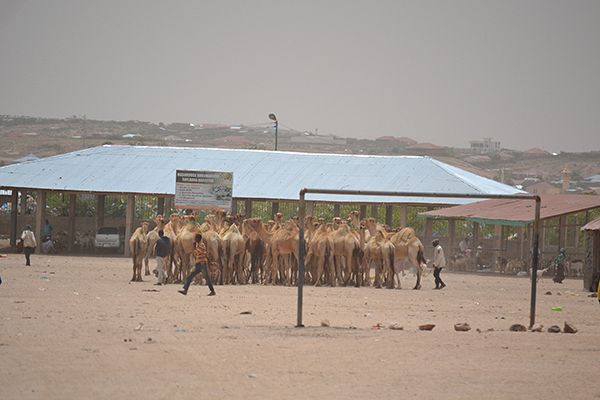
52-year-old Warabee works at a livestock market in the capital, Hargeisa. His son Jiijile drowned in 2013 as he attempted the risky crossing from Libya to Italy.
“My son wanted to improve his life and build a future. Many people earn a lot of money in Europe and many of his friends were already there,” he explained.

Warabee’s son drowned trying to cross to Italy
The family sold plots of land to pay smugglers to get Jiijile to Italy. Warabee says his 21-year-old son was hopeful and excited about the journey and not deterred by the horror stories of abductions, exploitation and shipwrecks that filter back.
Months after his son left, Warabee received a phone call from Libya telling him his son had drowned. He says he can’t bear to talk about it.
An estimated 3,200 migrants have died attempting to cross the Mediterranean this year according to the International Organisation for Migration (IOM.)  The actual total will never be known, as many bodies are lost at sea.
Sureer sells khat, a plant chewed as a stimulant, for a living. She is desperate for information about her daughter’s whereabouts.
“I don’t know where she is now. I am worried as mother. I think about her every day,” she told euronews.

Sureer is desperate for news of her daughter
18-year-old Filsan left Somaliland a year ago after the family sold their gold jewellery and borrowed money from friends to pay for her journey. Filsan travelled through Ethiopia and Sudan and arrived in Libya hoping to make the crossing to Europe. That was the last her family heard of her.
« She wanted to go to Europe because she was having problems with an arranged marriage and she was hoping to improve her life. »
Sureer has been told her daughter may have been smuggled to Italy but there has been no phone call or contact and she has no idea what fate she has met.
She explained why her daughter decided to leave the country: “she wanted to go to Europe because of the hardship here. She was having problems with an arranged marriage and she was hoping to improve her life.”
It’s estimated that tens of thousands of foreign nationals are trapped in Libya, the main departure country for Europe.
The UN’s Refugee agency UNHCR says it is deeply concerned about their safety as they are vulnerable to exploitation, kidnapping and torture as they wait for smugglers to get them on a boat.
Back in Hargeisa, Jiijile’s friends are struggling to come to terms with his death. They say their friend was great fun and always telling jokes.
« Everybody dreams of going to Europe…but we don’t want to take the risk now. »

Jiijile’s friends have changed their minds about going to Europe
The news of his death has changed how they feel about attempting the perilous journey to Europe.
“Everybody dreams of going to Europe.” said one friend. Another added:“we would like to too but we don’t want to take the risk now.”
The government in Somaliland says it is committed to lowering the rate of youth unemployment to stem the flow of young people leaving the country.
Somaliland is not officially recognised as a country, although for the last two decades it has held free elections, established a working government and its own currency, in stark contrast to its neighbour Somalia.
In that time, both Eritrea and South Sudan have become countries, enabling them to access financial assistance from global institutions.
Officials in Somaliland say if they could get recognition and more trade and investment from the EU they would be able to keep their young people in their homeland instead of risking their lives to knock at Europe’s door.
Copyright © 2014 euronews

Somaliland: The UK Foreign Office “Terrorist attacks could be indiscriminate”


The Foreign and Commonwealth Office (FCO) advise against all travel to Somalia, including Somaliland except for the cities of Hargeisa and Berbera to which the FCO advise against all but essential travel. Any British nationals in areas of Somalia to which the FCO advise against all travel should leave. Any British nationals in Hargeisa or Berbera who are not on essential travel should leave, (Click FCO Updated Press Release)

There is a high threat from terrorism, including kidnapping, throughout Somalia, including Somaliland. Terrorist groups have made threats against westerners and those working for western organisations. The FCO believes that there is a constant threat of terrorist attack in Mogadishu. The Foreign and Commonwealth Office (FCO) still believes that terrorists continue to plan attacks against westerners in Somaliland.


Terrorist attacks could be indiscriminate, including in crowded places, high-profile events, events involving government officials and in places frequented by foreigners.
Somaliland: A United Nations special security group expressed concerns  last month about plans by a Somaliland state to create a privately funded security force to guard oil companies’ operations, according to an internal U.N. security document reviewed by the Geeska Afrika Online Magazine.
“That is hogwash to say there is no transparency,” Somaliland Resources Minister Hussein Abdi Dualeh said in an interview. He said the government has published the signing fees it collected over the past year or so, including $750,000 from DNO and $1.8 million from a Yemeni firm. The security force, he said, would be headed by the state’s interior ministry.
Somaliland President Ahmed Silaanyo signed off on the oil protection unit (OPU), the Somalialnd new security force promised after Anglo-Turkish Genel Energy’s hasty exit in September last year.


Somaliland: flydubai announced flights to Africa markets


Dubai (HAN) December 10, 2014. Public diplomacy and Regional Aviation security news. The Somaliland committed to developing counter terrorism capability in its airports and ports, including Hargeisa and barbara, according to Ahmed Dalal Farah of Somaliland aviation security expert, statement received by Geeska Afrika Online security report desk.
The aviation security gift  equipment and vehicles to a) the Somaliland Ministry of Civil Aviation and Air Transport to use at Berbera and Hargeisa Airports, and b) the Somaliland Department of Immigration to use at land/sea/air border crossings to ensure that persons entering/leaving Somaliland pass through robust security and immigration checks, allowing Somaliland authorities to identify and disrupt threats to aviation and border security.
The total cost of the UK gift to Somaliland Aviation security equipment is £699,465 and will be met by the Government’s Counter Terrorism Programme.
flydubai_Hargeisa
Dubai-based flydubai has announced the addition of three new routes to its growing network, including the growing emerging East African market through Somaliland
Therefore, Dubai-based flydubai has announced the addition of three new routes to its growing network, including the growing emerging East African market through Somaliland financial center of Dahabshiil.
flydubai will become the first carrier to operate to Hargeisa, Somaliland from Dubai with four weekly flights
Flights to Hargeisa (The headquarter of Dahabshiil financial center)  in Somaliland, India’s Chennai, and Nejran in Saudi Arabia will commence in the first quarter of 2015, further expanding the carrier’s footprint to 89 destinations in 46 countries.
From March 5th 2015, Dubai based  flydubai will become the first carrier to operate to Hargeisa, Somaliland  with four weekly flights, directly from Dubai.
flydubai has expanded its network in Africa in 2014 to 13 points served by 60 weekly flights.
Hamad Obaidalla, chief commercial officer at flydubai, said: “2014 continues to be a very busy year for flydubai.
“We have announced 26 new routes since January and took delivery of eight new aircraft to support the phenomenal growth plans.
“We are very excited about the untapped opportunities in the emerging African markets, the progress the UAE has made on the bilateral front in India and the ongoing strong ties with Saudi.”
The new announced routes underline flydubai’s commitment to connecting the UAE to previously undeserved markets, including Somaliland regular business and public travelers throughout the World.
The carrier has linked Dubai to 56 undeserved destinations since it started its operations in 2009.
flydubai has a brand new fleet of 43 new Next-Generation Boeing 737-800 aircraft and operates more than 1,200 flights a week across the Middle East, GCC, Africa, Caucasus, Central Asia, Europe and the Indian Subcontinent.

Somaliland: The UK Foreign Office “Terrorist attacks could be indiscriminate”


Somaliland: flydubai announced flights to Africa markets


Dubai (HAN) December 10, 2014. Public diplomacy and Regional Aviation security news. The Somaliland committed to developing counter terrorism capability in its airports and ports, including Hargeisa and barbara, according to Ahmed Dalal Farah of Somaliland aviation security expert, statement received by Geeska Afrika Online security report desk.
The aviation security gift  equipment and vehicles to a) the Somaliland Ministry of Civil Aviation and Air Transport to use at Berbera and Hargeisa Airports, and b) the Somaliland Department of Immigration to use at land/sea/air border crossings to ensure that persons entering/leaving Somaliland pass through robust security and immigration checks, allowing Somaliland authorities to identify and disrupt threats to aviation and border security.
The total cost of the UK gift to Somaliland Aviation security equipment is £699,465 and will be met by the Government’s Counter Terrorism Programme.
flydubai_Hargeisa
Dubai-based flydubai has announced the addition of three new routes to its growing network, including the growing emerging East African market through Somaliland
Therefore, Dubai-based flydubai has announced the addition of three new routes to its growing network, including the growing emerging East African market through Somaliland financial center of Dahabshiil.
flydubai will become the first carrier to operate to Hargeisa, Somaliland from Dubai with four weekly flights
Flights to Hargeisa (The headquarter of Dahabshiil financial center)  in Somaliland, India’s Chennai, and Nejran in Saudi Arabia will commence in the first quarter of 2015, further expanding the carrier’s footprint to 89 destinations in 46 countries.
From March 5th 2015, Dubai based  flydubai will become the first carrier to operate to Hargeisa, Somaliland  with four weekly flights, directly from Dubai.
flydubai has expanded its network in Africa in 2014 to 13 points served by 60 weekly flights.
Hamad Obaidalla, chief commercial officer at flydubai, said: “2014 continues to be a very busy year for flydubai.
“We have announced 26 new routes since January and took delivery of eight new aircraft to support the phenomenal growth plans.
“We are very excited about the untapped opportunities in the emerging African markets, the progress the UAE has made on the bilateral front in India and the ongoing strong ties with Saudi.”
The new announced routes underline flydubai’s commitment to connecting the UAE to previously undeserved markets, including Somaliland regular business and public travelers throughout the World.
The carrier has linked Dubai to 56 undeserved destinations since it started its operations in 2009.
flydubai has a brand new fleet of 43 new Next-Generation Boeing 737-800 aircraft and operates more than 1,200 flights a week across the Middle East, GCC, Africa, Caucasus, Central Asia, Europe and the Indian Subcontinent.

Wednesday, December 3, 2014

KENYA, ETHIOPIA IN TALKS TO CREATE BUFFER ZONE IN SOMALIA


NAIROBI – Kenya and Ethiopia are in discussions to create a buffer zone inside Somalia along their respective borders to deter Al-Shabaab attacks, a senior government official said on Wednesday.


Deputy President William Ruto decried that the existing 800km porous border which Kenya shares with Somalia has made it difficult to curb cross-border terror attacks mounted by Al- Shabaab.
“Kenya is holding talks with Ethiopia to likewise create their buffer zone inside Somalia to police their common border against insurgency from the militants,” Ruto told a local television station during a talk show.
For several years, Kenya, with international support, has been pushing for the creation of a buffer zone at upper Jubaland, just inside Somalia, to shield its territory from neighboring Somalia.
Kenya shares an 800km-long border with Somalia, whereas the length of Ethiopia-Somalia border measures 68 kilometers.
Ruto’s remarks come in the wake of fresh attacks at the border town of Mandera on Tuesday in which 36 quarry workers were killed at point blank range after being told to lie facing down.
The dawn massacre occurred barely 10 days following similar killings after members of the militant group murdered 28 people whom they pulled out of a Nairobi-bound bus at sunrise.
“Terrorist activities from Al-Shabaab have been exacerbated by the 800km long porous border and the similar communities occupying both sides of the border that make it difficult to discern one from the other,” Ruto said.
He said that whereas terrorism continues to pose a huge challenge to the country, Kenya will not pull out its troops from Somalia, which he said is the narrative that the insurgents use as the reason for the attacks.
“The best defense is offense. The paramount way to keep Al- Shabaab away from Kenya is to take the fight to them in Somalia and stem the problem at its base,” he said.
Ruto said Kenya is winning the war against the militants hence the reason Al-Shabaab is agitating for Kenyan troops to pull out so that they can have space to carry out their murderous activities against the Somali nation.
“If Kenya and the international community had not gone into Somalia at the time they went in, we would not have a region to talk about. We are here talking about a well-armed and ruthless group in their thousands that is out to further their militaristic agenda,” Ruto said.
He said the 36 quarry workers who met their fate had been requested to move out to safer areas, but they did not think they were under threat.
“Even after they were informed that this is not safe for you, you better move out that place, they still insisted on staying there, unfortunately we learn a lot of lessons. We are re- strategizing to make sure our security forces read from the same script to be able to protect Kenyans,” he said.
“We have learned a lot. I admit it was a failure on our side not to have moved them out forcefully, and we will in future do what needs to be done in matters pertaining to security,” he added.
Source: Xinhua