Search This Blog

Friday, April 25, 2014

Learning From Barbarian Underdogs: Sayid Mohammed Abdullah Hassan

Mohammed Abdullah Hassan, the so-called “Mad Mullah” (ALAMY)

“I have no forts, no houses, no country. I have no cultivated fields, no silver or gold for you to take — all you can get from me is war, nothing else. I have met your men in battle and have killed them. We are greatly pleased about this. Our men who have fallen in battle have won paradise. God fights for us. We fight by   God’s order. If you wish war I am happy; if you wish peace I am also content. But  if you wish peace, go away from my country to your own. If you wish war, stay where you are.”  – the Mad Mullah
In 1910, the “Mad Mullah” of Somalia, a Sunni sheik named Mohammed Abdullah Hassan, gained notoriety for mercilessly killing British service members and their sympathizers among the Somali population. Born in 1856, Hassan studied under local religious scholars and undertook the hajj and studied under Mohammed Salih in Mecca in the 1890s. He returned to Somalia a religious ultra-nationalist, determined to free his homeland from the tightening grip of Italian and British occupying forces. (1)  The Mad Mullah fermented a religio-military revolution, allying with a variety of Somali clans and acquiring weapons from sympathetic regional regimes to battle and eventually prevail over the superpowers of his day.
Can studying the decision-making abilities of indigenous leaders like Hassan –  and the socio-cultural contexts in which they operate –  help the West to get its counter-insurgency act together?
As the U.S. and its NATO partners write the last sentences of the closing chapter of a humbling experience in the “Land of the Afghans,” introspection and objectivity should be the lights used to illuminate both the successes and failings of the campaign. Any honest appraisal of Western forces performance would certainly rank as a standout failing (especially during the first critical years of occupation) the alliance’s inability to appreciate, respect and respond to the complex human terrain upon which its forces fought. To minimize avoidable slips and falls in future asymmetric battle spaces, it would be prudent for Western commanders (and their political overseers) to at least review the “Cliff Notes” on the human terrain upon which they will wage war. The automatic assumption of inevitable victory due to technological primacy is flawed logic that must now be replaced with an understanding that “Barbarian Underdogs” are able to deliver ego crushing geopolitical upsets.
 Looking Over Our Shoulders to See Ahead  
Studying the leadership traits and strategies of indigenous protagonists in history’s little known liberation struggles is not common practice across Western militaries’ academic centers (e.g. war colleges and “think tanks”).  Alien, mostly non-white commanders are rarely credited with possessing the same level of intellect and military acumen as their uniformed European counterparts. The British saw Hassan’s resistance as irrational, a result of madness brought on by religious fanaticism and brain damage, as opposed to Hassan’s fury at the fact that Somalis were ruled by non-Muslims.(2)  Successful indigenous leaders like Somalia’s Hassan are the not-supposed-to-be-there characters in history’s military Hall of Fame.  Derogatory appellations and name formulations that include labels like barbarian, butcher, fanatic, tyrant, zealot and madman are simplistic but effective propaganda effects employed to deepen domestic fear of adversaries.
Vilification is a valuable tactic that is critical to the propagandist prior to and during hostilities for a few reasons. It defines the enemy as it does the home team (i.e., evil vs. good), rouses deepseated ethnocentric sentiments, and can serve as a stand-alone casus belli. But outside of the military information operations space, such language becomes counterproductive, and hurts any genuine effort to discern the art and genius of commanders who don’t look like us, think like us, fight like us, or pray like us. To uncover the battle logic of successful indigenous leaders like Hassan, or even any of today’s religio-military leaders, students of the art of war – military and civilian alike – must overcome euro-centric biases to bring into focus how “barbarians” continue to successfully exploit their respective human terrain to the West’s detriment.
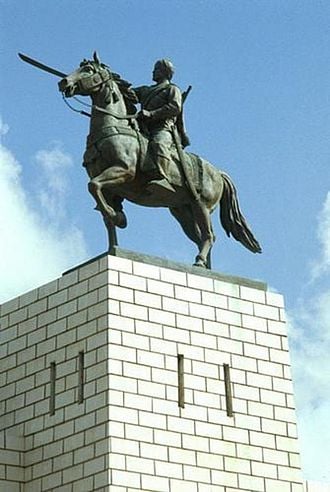
Statue of Sayyid Mohammed Abdullah Hassan in Mogadishu, Somalia.
Statue of Sayyid Mohammed Abdullah Hassan in Mogadishu, Somalia

Echoes from the Past 
Somalia’s David – the so-called Mad Mullah who led the fight against the Goliath of his day – aptly channeled the resentment and zeal of East African tribes to wage a successful guerrilla war of attrition. The British launched five military expeditions (to include air power) in the Horn of Africa to capture or kill Hassan, and never succeeded. British officers had superior schooling and firepower, including the first self-loading machine gun, but the cunning mullah exploited his home field advantage brilliantly. His intimate knowledge of regional tribes’ history, culture, and aspirations enabled him to build alliances and to ultimately prevail. Hassan and his ragtag forces hid in caves, survived long deserts crossings by drinking water from the bellies of dead camels and employed varied assortment of survival techniques that would make even American SEAL team units envious. He was a general, imam, politician and gifted propagandist all rolled into one who used poetry and oratory to both inspire his fighters and intimidate his European nemesis.
Douglas Jardine, who served in the Somaliland Protectorate during that era and who later wrote a history of the conflict, shared that the British hard power machine found itself outmaneuvered by an enemy “who offered no target for attack, no city, no fort, no land…in short, there was no tangible military objective.”(3)  Though Hassan was by no means a benevolent leader (he killed thousands of Somalis who chose not to ally with his team), the enigmatic leader is still today revered by many Somalis as a Muslim resistance fighter who defended his people from an alien encroaching force.
The mullah’s defiant spirit echoed 80 years into the future to taunt multi-national troops in the wake of the now famous Black Hawk Down massacre in 1993. In the days following the event that shocked the international community, anti-American Somali fighters circulated leaflets quoting verses from a mocking poem the Mullah wrote about a British commander he killed entitled simply “The Death of Richard Corfield.” (4) The mullah instructs the now deceased Corfield on what he should tell God’s helpers on his way to hell. “Say: In fury they fell upon us — report how savagely their swords tore you.” (5) Hassan’s warnings to senior British commanders like, “I wish to fight with you. I like war, but you do not” laced Osama Bin Laden’s own 1996 declaration of war against Americans, “These [Muslim] youths love death as you love life.”
Hassan’s success in ejecting colonial forces from the Somaliland interior and back towards the Indian Ocean coastline after a 21-year revolt remains the high water mark of Somali nationalism. Every Somali school child knows about the “Mad Mullah” and the ignoble role that the Europeans played in subjugating them in the same way that young Americans learn to view American Revolution-era British forces as inhumane oppressors. He is remembered as a patriot, soldier, religious leader and poet in the Horn of Africa, and serves as a persistent inspiration for anti-Christendom sentiment in the region.
Different Battle Songs — Same album
The ongoing conflicts in Afghanistan, Yemen, Southern Philippines, Tribal Pakistan, Palestine, and Iraq are all to varying extents different songs of the same album.  For example, the Al-Qaeda inspired group Al-Shabaab (the “Youngsters”) based in a region of Somalia once colonized by Italy, targets West friendly forces operating in Somaliland and beyond. One of their most well-known terrorist acts was the storm and siege of an upscale Kenyan mall in September 2013. The attack killed 62 people and subsequently earned the leaders of the group the attention of American drone missiles. Some of Al-Shabaab’s leaders credit Hassan for inspiring their declared war against the Western-backed newly-formed Somali government.  Ahmed Abdi Godane, the nerdy 36-year-old leader of the group, promised more violence if Kenya refused to withdraw its forces from neighboring Somalia. In an audio message he stated, “You cannot withstand a war of attrition inside your own country — so withdraw all your forces, or be prepared for an abundance of blood that will be spilt in your country.” (6) The defiant spirit of Hassan lives on and speaks through the young religio-military leaders of today.
Time to Be Two-Faced
The Greek god Janus – the deity for which the month of January is named – could see into the past with one face and into the future with the other.  He represented the middle ground between barbarism and civilization — rural and urban space.  If the West is to prevail in future Afghan type conflicts then foreign policy decision makers and military planners must look to the past to inform the policy and strategy decisions of tomorrow.
The West struggled to pacify Afghanistan. Mission accomplished?
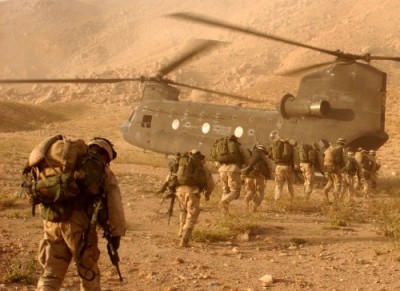
The United States and NATO struggled to pacify Afghanistan. (source: Global Research)
The Afghanistan counter-insurgency operation – and the Iraq campaign before it – exposed the limits of Western hard power, especially on physical and human terrains that do not play to the strengths of conventional forces. If the West chooses to fight religio-military leaders like Hassan in the future, then indirect and not frontal approaches are most sensible – harnessing local allies to do the fighting. But killing is only the tail side of the proverbial coin in the asymmetric warfare toss up.
The “heads” side is the application of civil-military and soft power activities designed to dry up adversaries’ local support by co-opting and protecting the locals. This “befriend, aid and protect” approach was the strategy employed with success by General Petraeus during the 2006 Iraqi surge, creating the conditions for a face-saving withdrawal of American troops a few years later. Petraeus stated in a Foreign Policy magazine article in 2013, “The biggest of the big ideas that guided the strategy during the surge was explicit recognition that the most important terrain in the campaign in Iraq was the human terrain.” To avoid the mistakes the British made fighting Hassan, contemporary military commanders should check their egos at the door when battling indigenous adversaries and instead employ the full spectrum of proven civil-military approaches in concert with measured hard power.
Hopefully, a greater appreciation for “human terrain” will be one of the outcomes and lessons learned from the last 13 years of warfare.  Like the Greek god Janus, the West can become wiser by looking to the past to inform decision making as it works to help to transform fragile states’ “barbarism” into “civilization” – that is human terrain that no longer serve as safe havens for destructive religio-military movements. If the lessons learned from fighting Hassan types (past and present) are not acknowledged, digested and leveraged to enable more enlightened policymaking, doctrines and strategies, then future generations will likely lose new wars that don’t need to be fought against foes that aren’t-supposed-to-be that smart.
_____________________________________________
(1) Digest of History of the Somaliland Camel Corps, King’s African Rifles, London, National
Archives, WO 106/272, p. 197
(2) John P. Slight, “British and Somali Views of Muhammad
Abdullah Hassan’s Jihad, 1899–1920.”BILDHAAN: An International Journal of Somali Studies, vol. 10, 2010 
(3) “Ahmed Abdi Godane, The new ‘Mad Mullah’ bent on jihad” http://www.newsweek.com/muhammad-abdille-hassan-somali-mad-mullah-who-predated-bin-laden-79127
(4) Colin Freeman, “Ahmed Abdi Godane: the new ‘Mad Mullah’ bent on jihad.” The Telegraph, 28 Sept., 2013.
(5) Jeffrey Bartholet, Newsweek, September 30, 2009.
(6) Colin Freeman, “Ahmed Abdi Godane: the new ‘Mad Mullah’ bent on jihad.” The Telegraph, 28 Sept., 2013


Oil and Gas: Ophir energy's exciting African campaign

Ophir has the rights to acreage in Western Sahara and Somaliland, two areas seeking international sovereignty.

"We believe that we are supporting the appropriate resource holders or else we would not be there. We would love to be investing significant capital into them." 

Ophir chief executive Nick Cooper 


By Marshall Van Valen

The London-based oil and gas explorer, Ophir energy, is appraising gas finds in equatorial Guinea and tanzania that will be developed into major projects by 2020.

Ophir Energy, an Africa- focused explorer founded in 2004, has entered into a crucial year as it appraises major gas fields.

With about 1.25bn barrels of oil equivalent in reserves, Ophir is due to make investment decisions on two of its most promising projects within the next few years.
This is our most exciting campaign
Ophir chief executive Nick Cooper tells The Africa Report: "We are in the middle of what we would see as the most exciting campaign we have ever drilled."

Ophir holds an 80% stake in Equatorial Guinea's Block R, and the company expects to develop Africa's first floating liquefied natural gas (FLNG) project.

Ophir will drill three wells, in a mixture of appraisal and exploration, this year, says Cooper.
"In Equatorial Guinea, the main event is around appraising the gas and finding a bit more gas for the FLNG project. But in addition there is the potential that the Niger Delta oil play extends under the acreage, and so we will be testing that."

The company now estimates that it has 2.6 trillion cubic feet (tcf ) of recoverable reserves in Block R and that this year's drilling will take it up to more than 3 tcf.
Cooper says backing the FLNG project has been a learning process both for the company and the government.

"FLNG has been talked about for a long time, and I think there was a fair bit of cynicism around it. That said, incrementally, all the parts of the project have been proven elsewhere."

He says Ophir and the Malabo government are both seeking to maximise value: "It is possible to structure them [FLNG projects] like the gas equivalent of an FPSO [floating production, storage and offloading] project, where the oil companies do not need to own the vessels."

Ophir expects to make a final investment decision by mid-2015 and to produce first gas by 2018, at least two years before LNG projects in Tanzania take off.

Ophir partners with BG Group on Blocks 1, 3 and 4 in the Tanzanian offshore.
"The scale of the project at the moment is two 5m tonne trains. Each 5m tonnne train needs about 6tcf recoverable," explains Cooper.

He says that before the year is over, the company is likely to have discovered enough gas to supply a third LNG train.

Partners to develop

Ophir holds a 40% stake in those Tanzanian blocks, and its activities there highlight the company's business model.

It is in the process of selling a 20% share, valued at $1.29bn, to Pavilion Energy, a subsidiary of Temasek, a Singaporean investment fund.

Cooper explains: "Our cost of capital is a lot higher than that of a big oil company, which means we are very prepared to fully fund and undertake big exploration programmes, and we do that.

"But when we get to the more mature phases where we have been successful, we bring in bigger oil companies who can help to fund that development phase."

While Ophir has had its success with gas discoveries, it is now drilling in Gabon's Padouck Deep field to see if it holds similarities to the fields discovered in offshore Brazil.
The company is also evaluating three potential plays on its L9 block in offshore Kenya.
In March, Ophir farmed in to two blocks in the Seychelles, continuing its trend of looking for large blocks to operate.

"Africa is substantially more licensed by the oil and gas sector than it was say, five or six years ago," says Cooper.

Ophir has the rights to acreage in Western Sahara and Somaliland, two areas seeking international sovereignty.

"We believe that we are supporting the appropriate resource holders or else we would not be there. We would love to be investing significant capital into them." 


Read the original article on Theafricareport.com : Oil and Gas: Ophir energy's exciting African campaign | West Africa

Clampdown on corruption

Is the first corporate prosecution under the UK Bribery Act just around the corner, asks HFW's Daniel Martin

In the August 2011 edition of Port Strategy, HFW discussed the global implications of the UK Bribery Act which came in to force on 1 July 2011. The article focussed on the very wide drafting and ambitious territorial application of the Act. In particular, it considered the impact on ports internationally, both from a port operator's and a port user's perspective.

Slipped in: port authorities need to remain vigilant to bribery attempts

The article considered the treatment which activities such as promising an incentive to stevedores to discharge a vessel in a timely manner, giving a bottle of whiskey to a customs official to avoid delays, or offering a large box of cigarettes to a port agent so as to receive special treatment could receive under the new Act.  

Two and a half years later, what impact has the UK Bribery Act had and what lessons can be drawn by port operators and port users?

Even its most fervent supporters would accept that, at least to date, the impact of the UK Bribery Act has been relatively limited. However, there have been recent signs from enforcement agencies in the UK that things may be about to change, reinforcing the need for vigilance.

The entry into force of the Act resulted in a flurry of revised Codes of Conduct and a tightening of rules on corporate hospitality, in some cases making companies reluctant to engage in even normal and reasonable corporate hospitality, which the Ministry of Justice has always stressed was not the intention of the Act.
As such, we have seen corruption move higher up the corporate agenda, but many have said that the Act will only be treated seriously if companies see that it has teeth and is being actively enforced.

While we are still awaiting the first corporate prosecution under the Act, there have been indications from the Serious Fraud Office (SFO) recently that the position may change before too long.

In October 2013, David Green, the director of the SFO, said the following: “More generally, the SFO currently has some 13 cases involving 34 defendants (two of which are corporates) in the Court system awaiting their trial. Eight of these trials are listed after April 2014.” In the same month Alun Milford, the general counsel of the SFO, said that “about half of our operational resource is engaged in corruption-related casework".

Individual focus

There have also been developments which, while short of a corporate prosecution, show that Courts and enforcement agencies are looking closely at incidents of corporate bribery.

In August 2013, four individuals connected with Sustainable AgroEnergy plc were charged with offences under the Act of making and accepting a financial advantage. There appears to be no corporate prosecution against Sustainable AgroEnergy for failing to prevent corruption.

In October 2013, Smith & Ouzman Ltd and four individuals were charged with offences under the Prevention of Corruption Act 1906 (the offences took place between November 2006 and December 2010, so before the Act came into effect) in connection with alleged corrupt payments to win business in Mauritania, Ghana, Somaliland and Kenya.

Most recently, in a decision at the end of November, a survey company was criticised by the English High Court because its surveyors contemplated bribing officials in Mumbai. The case did not turn on the bribery allegations and the court stressed that no bribes were paid. It is worth highlighting that, even if bribes had been offered or paid, all of the conduct occurred in the Spring of 2010, before the Act was passed. Nevertheless, the case is a useful reminder that, as a matter of English law, facilitation payments are bribes, however they are described (the relevant emails talked about “suitably greasing the authorities”, paying “administrative charges”, providing “perks” and making “gratis payments”, all of which appeared to be euphemisms for bribes).

As an example, a payment by a shipowner, shipowner's agent or ship's master to an official to speed up the clearance of a vessel into a port (in circumstances where no official fast track service is available) is likely to be considered an offence under the Act.

All of the above demonstrates the importance of vigilance and adopting (and enforcing) adequate procedures to prevent bribery. While everyone eagerly awaits the first corporate prosecution, no one wants to find that they are in the unenviable position of being forever known as the first company to be prosecuted. Just ask Munir Patel, the first individual to be prosecuted under the Act, who is inevitably mentioned in any discussion of the Act.

Daniel Martin is a partner at Holman Fenwick Willan, an international law firm advising businesses engaged in international commerce.

portstrategy.com

DAAWO VIDEO: MAWQIFKA Dhaqdhaqaaqyada Dimuquraadiyad-doonka Somaliland: KU LUG LAHAANSHAHA SAXAAFADA GAARKA AH LOOLANKA BAADHISTA SHIDAALKA

Public Release: Somaliland-018

POSSITION LETTER MAWQIFKA Dhaqdhaqaaqyada Dimuquraadiyad-doonka Somaliland EE KIISKA HAATUF IYO XUKUUMADA SOMALILAND KA DHEX OOGAN

Wax kasta oo caqliga Aadamiga faraha looga qaadaa waxa uu ku dambeeyaa qoomamo, Saxaafad Anshax marin iyadu ay is mariso suubisataana Somaliland waxa cadaatay in aanay hirgali karin 20kii sanadood ee u dambeeyay. Maxaa xal ah?


Anagoo ah Dhaqdhaqaaqyada Dimuquraadiyad-doonka Somaliland oo ka kooban Difaacayaasha madaxabanaan ee xuquuqda aadamiga, ururrada bulshada rayidka ah, kooxaha u dhaqdhaqaaqa dadka laga tirada badan yahay, Ururada Naafada, waxa aanu guud ahaan bulshada caalamka, iyo shacabka Somaliland halkna maanta ugu iftiiminaynaa mawqifka wadajirka ah ee ku saabsan dagaalka ka dhex oogan Xukuumada Somaliland iyo warbaahinta gaarka loo leeyahay ee Haatuf (HMG).


Todoba sanadood ka hor markii sidan oo kale Ciidamo ka tirsan booliska Somaliland ay galeen isla markaasina xabsiga u taxaabeen mulkiilaha warbaahinta Haatuf Yusuf Abdi Gabobe, Tafatirihiisii Sare Cali Cabdi Diini iyo Wariyihii uga soo waramijiray gobolka Awdal Maxamed Cumar, waxanu si buuxda taageerada difaac u siinay lana hawlwadeenada sare ee Warbaahinta Haatuf iyo Mulkiilaheeda, iyadoo xiligaasi dadaal badan u samaynay sidii eedaysanihii afraad Maxamed Rashiid oo markaa dhuumasho ku joogay Hargeysa dalka looga saari lahaa ee uu u heli lahaa dal kale oo uu si nabadgalyo ah ugu noolaado isla markaasina u fududaynay sidii uu bilkasta u heli lahaa dhaqaalihii uu ku noolaan kari lahaa, taasi oo u socotay ilaa markii Madaxwaynihii hore Mud. Daahir Rayaale Kaahin u cafiyay dhamaan Hawlwadeenadii Saxaafada Haatuf.

Laakiin maanta Warbaahinta Haatuf iyo Mulkiilaheedu may mutaysan taageerada iyo u doodista Difaacayaasha Xuquuqda Aadamiga Somaliland, sababtoo ah markii aanu si qoto dheer uga baaraandegeen arinta runta ah ee uu salka ku hayo dagaalka Haatuf iyo Xukuumada Somaliland waxa noo cadaatay in Warbaahinta Haatuf warbaahintoodii in ay ka dhigteen mid ay uga faa'iidaystaan masaalix gaar ah sidaasina ku lumiyeen mabaadii'dii aasaasiga ahayd ee ay ku heli lahayd taageerada, iyo hiilka difaacayaasha xuquuqda iyo xoriyadaha aadamaha ee Somaliland.

Sababta kali ah ee sanadkii 2007 suxufiyiintii warbaahinta Haatuf ku heshay taageerada ururada xuquuqda aadamiga Somaliland ayaa ahayd, kadib markii aanu si buuxda ugu qancnay warbaahinta Haatuf in aanay jirin wax dan gaar ah ama maslaxad ah nooca ay doonto ha ahaatee oo ugu jirtay faafinta falalka musuqmaasuq oo ay ku baahin jireen wargaysyadooda xiligaasi oo aan ka ahayn gudashada waajibaadkooda masuuliyada saxaafadeed oo ah la socodsiinta shacabka Somaliland ficilada ay ku kacaan masuuliyiinta xilka ay u igmadeen.

Nasiibdaro haatan waxa si buuxda noogu cadaatay dagaalka ka dhex oogan Warbaahinta Haatuf iyo xukuumada Somaliland in aanu shuqul ku lahayn xoriyad saxaafadeed iyo madaxbanaanideed balse uu salka ku ahyo warbaahinta haatuf oo shantii bilood ee ugu dambaysay u xuubsiibatay mid si toos ah loogaga aargoosto ashkhaas iyo masuuliyiin ay u arkaan in ay ka horyimaadeen masaaliix dhinaca baadhista shidaalka ah oo dabada uu ka riixayay Mulkiilaha Warbaahinta Haatuf kuwaasi oo uu watay mid ka mid ah qaraabadiisu.

Baadhayaasha ururada xuquuqda aadamiga Somaliland ayaa helay dhukumenti ku taariikhaysan 25 Oct. 2012 kana soo baxay shirkada baadhista Macdanta ee lagu magacaabo Boulle Mining Group , kaasi oo ujeedadiisu tahay Codsi Ogolaanshaha Baadhitaanka Shidaalka Somaliland (Expression of Interest to secure Petroleum Exploration and Development Licenses within Somaliland), qoraalkan oo shirkadu ugu magacawday wakiilkooda buuxa ee Somaliland in uu yahay Mr. Yusuf Abdilahi Omar ugana masuul yahay shirkada meelmarinta codsigooda ay ku rabto dhul ay ka baadho shidaal waxan lagu socodsiiyay qoraalkan wasaarada Macdanta iyo Tamarta Somaliland kuna rabto ogolaanshaha dhul ay ka sahimiso batroolka.

Difaacayaasha Xuquuqda Aadamiga Somaliland oo waxay kale oo ay ogaadeen si ay u dhacdayba in Wasaarada Macdantu ay ishortaagtay ogolaanshahaaasi, iyadoo ku sababaysay in shirkadu buuxin wayday shuruudaha Somaliland ku xidho shirkadaha raba in ay shidaal ka baadhaan dalka. Waxa kale oo baadhayaasha xadgubyada xuquuqda aadamiga Somaliland la kulmeen kana qaadeen waraysiyo qaar ka mid ah ergooyin Wasaarada Macdanta iyo Tamarta ku cadaadinayay meelmarinta codsiga shirkadaasi, kaasi oo ku soo gabogaboobay natiijo la'aan.

Intaasi kadib Kadib Warbaahinta Haatuf waxay bilowday dagaal toos ah oo dhinaca warbaahinta ah oo ay la bartilmaameedsanayso Wasiirka Macdanta iyo Tamarta Somaliland.

Ururada Xuquuqda Aadamiga Somaliland ayaa diiwaangaliyay qoraalo iyo warar tirobadan shantii bilood ee ugu dambaysay oo wargaysyada warbaahinta Haatuf si shaqsi ah ugu weerarayso magacsamida, karaamada iyo sharafta uu aadamiga EEBE siiyay dastuurka Somalilandna uu damaano qaaday. Sidoo kale eedo musuqmaasuq oo tirada badan oo dhamaantood si gaar ah Warbaahinta Haatuf ugu eedaynaysay Wasiirka Tamarta iyo Macdanta Somaliland ayay si joogto ah u baahinayeen.

Aqlabiyada hawlwadeenada Saxaafada Madaxabanaan ee Somaliland ayaa qiray in Mulkiilaha Warbaahinta Haatuf seddexdii sano ee ugu dambeeyay oo ay talada dalka haysay xukuumada Kulmiye isaga iyo warbaahitiisu ay ahaayeen kuwa u janjeedha dhinaca xukuumada, kuna qabay masaaliix gaar ah,

Ku lug lahaansha hay'ad warbaahineed oo madaxbanaan loolanka ay ugu jiraan shirkadaha baadhista shidaalka sidii ay u heli lahaayeen ogolaanshaha dhul ay shidaal ka baadhaan, iyo u isticmaalka mihnadii iyo waxsoosaarki saxaafada ayaa noqonaysa caqabad hor leh oo haatan uun ka bilaabantay dalka Somaliland. Caqabadan ayaa u muuqata mid aanu dalka Somaliland lahayn siyaasad iyo qaanuuno lagu xalin karo, iyadoo ku abuuri karta khalkhal hawlaha muhiimada wayn u leh qaranka gaar ahaan baadhitaanada shidaalka iyo soo jiidashada maalgashadayaal caalami ah oo tan iyo markii ay xukuumada Siilaanyo talada dalka la wareegtay sanadkii 2010 dadaal balaadhan kadib ku guulaysato bilowga sahaminta shidaalka dalka Somaliland.

Dagaalka warbaahineed ee Saxaafada Haatuf sida shaqsiga ah warbaahintooda ay kaga aargoosanayaan cid kasta oo ay u arkaan in ay ishortaageen hawlaha la xidhiidha baadhitaanada shidaalka oo meelmarintooda Mulkiilaha Haatuf uu dabada ka riixayay waxa Difaacayaasha Xuquuqda Aadamiga Somaliland u arkaan mid dhabarjabka ku ah Anshaxa iyo Milgaha Saxaafad xor ah, kuna lid ah dhaqanka suuban ee Islaamka iyo mabaadii'da xuquuqda iyo xoriyadaha dastuuriga ah, sababtoo ah waxa si shaqsi ah waxsoosaarka Warbaahinta Haatuf dhaawacyo laagu gaysanayay magacsamida qof ahaaneed iyo karaamada uu Eebe siyay ashkhasta ay sida gaarka ah ugu weerayaan ceebaynayeen warbaahintooda, oo la odhan karo waxay gaadhay ilaa xad ay gaadhay heer la mid ah kalay keerlay.

Gabogabadii Difaacayaasha Xuquuqda Aadamiga Somaliland waxay si xooggan uga soo horjeedaan isla markaana uga digayaan ururo sheeganaya xuquuqda aadamiga iyo saxaafada oo shacbiga Somaliland ka duudsiyay xaqii ay u lahaayeen in ay helaan xaqiiqada runta ah ee sababta dhacdo kasta oo ay warinayaan, tusaale ahaan ururka suxufiyiinta Somaliland iyo urur wata magaca xuquuqda aadamiga ah ayaa si dhamaystiran daboolka u saaray kana qariyay shacabka Somaliland waxa ay tahay sababta dhabta ah ee uu salka ku hayo dagaalka wargaysyada Haatuf oo kali ahi in ka badan 150 maalmood kula jiro Wasiir kali ah oo ka tirsan xukuumada Somaliland, kaasi oo ah kan ay u arkaan in uu yahay ka ishortaagay masaaliixdoodii gaarka ahayd iyo/ama tii dad ay qaraabo yihiin, iyagoo taasi bedelkeeda warbaahinta Haatuf si badheedh ah ugu sheegay in mashaqda Xukuumada Somaliland iyo Warbaahinta Haatuf ay tahay cabudhin xukuumada ku hayso saxaafada madaxabanaan.

Difaacayaasha Xuquuqda Aadamiga Somaliland waxay la yaaban yihiin sababta warbaahinta madaxbanaan ee Somaliland ka soo baxda sida jaraa'idka, mareegaha internetka, kuwa maqalka iyo muuqaal baahiyaa ay ugu yaraan hal mid oo ka mid ahi Haatuf ugu soo labayn wayday musuqa Haatuf aragto ama loo waayay warbaahin kale oo ku wehelisa cayda Kanlay keerlay.
Arinta werwerkeeda leh, ayaanu u aragnaa in ay tahay marka ragii ugu aqoonta saxaafada badnaa dalku da'ahaana ka midka ahaa wayeelka xirfadlayaasha warbaahinta Somaliland ay ka dhiganayaan warbaahintii mid danahooda shaqsiga ah iyo tan qaraabadooda ay ku suubistaan maxaa laga filan karaa jiilalka suxufiyiinta da'yarta ah ee casharada ka baranaya falalkaasi guracan, Difaacayaasha Xuquuqda Aadamiga Somaliland oo aaminsan in dal kastaba suxufiyiintiisu in ay yihiin kuwa saamaynta ugu badan ku leh saqaafada iyo tadawurka xadaaradeed iyo horumarka dhaqan dhaqaale oo dadkiisa kasbadaan.

Sidaasi darteed, Difaacayaasha Xuquuqda Aadamiga Somaliland, iyagoo ilaalinaya mabaadii'da dhexdhexaadnimo ee ay u abuuran yihiin waxa ay halkan cid kasta oo danaynaysa ugu sheegayaan in aanay iyagu noqonaynin salaan ay cid gaar ahi dantooda ku gaadhaan waxana aanu u aragnaa xaaraan in aanu difaacno, una doodno ama u hiilino, cid kasta oo dantooda gaarka ah ku fushanaya mihnada Saxaafada, kuna aargoosanaysa, arinta kali ah ee taageerada difaacayaasha xuquuqda aadamiga lagu heli karaa waxa ay tahay haddii saxaafadu aanay dano u gaar ah mulkiilayaasha iyo tafotirayaasha u lahayn balse hadii Mulkiilayaasha warbaahintu ama tafatirayaasheedu u isticmaalayaan warbaahinta mid ay kaga aargoosanayaan cid kasta oo ka hor timaada danahooda taasi waxa aanu u aragnaa mid la mid ah xanuun dilaa ah oo dal iyo dad midna aan habaynaynin.

Difaacayaasha Xuquuqda Aadamiga Somaliland waxay u arkaan xalka kiiskani inuu ku jiro dacwad si madani ah loogu oogo madaxda ama maamulka wargeyska, balse aannu ahayn in gebi ahaanba la xayiro shaqadii soo bixida wargeysyadaasi.

Waxaannuna ku baaqaynaa in xayiraada laga qaado haddii maamulka Haatuf ogolaanayo in waxsoosaarka saxaafadoodu in aanay ka gudbaynin xaydaabka anshaxa iyo milgaha aasaasiga ah ee mihnada saxaafada, iyo dhaqanka suuban ee islaamka

Waxa aanu ugu baaqaynaa sharcidajinta iyo xukuumada Somaliland in siyaasada iyo shuruucda warbaahinta dalka dib loogu noqdo lana curiyo Siyaasad iyo Qaanuun ku khasbaya suxufiyiinta dalka in ay kor u qaadaan aqoontooda saxaafadeed iyo dhinac farsamo iyo dhinac aqooneed, iyo anshaxba, qaanuunkaasi oo ah mid warbaahinta ka ilaaliya in dhaawac u gaysato maslaxada umadda jiritaanka qaranka, masaaliixdiisa dhaqaale ganacsi iyo maalgashi.

Kiiskan iyo kuwo kale oo badan ayaa khasab ka dhigaya dib u habayn balaadhan oo lagu sameeyo siyaasada iyo shuruucda warbahinta dalka, haatan waxa muuqata in wali saxaafada Somaliland aan hubka dhigis togan lagu samaynin, taasi oo keenaysa in ay mulkiilayaasha saxaafadu sida ay rabaan in ay u istimaalaan.

Wasaarada Tamarta iyo Macdanta Somaliland, iyo dhamaan wasaaradaha iyo hay'adha kale ee dakhliga leh oo ay ku jiraan kuwa dawladaha hoose ee dalku waxa aanu ugu baaqaynaa in bulshadu xaq ugu leedahay in ay xogogaal u noqoto xadiga dakhliga ay soo xareeyaan iyo shilinkastaaba sida uu ku baxo. Sidaasi darteed, wakhtigan xaadirka ah waxa aanu u aragnaa in qaabka ugu sahlan ee habkan lagu suurtogalin karaa in uu yahay iyadoo hay'adaha xukuumadu sameeyaan baro internetka ah oo bulshada ay ku siiyaan xogta ay uga baahan tahay, iyadoo aanu soo dhawaynayno hay'adaha mar hore sameeyay baro internetka ah sida barta internetka ee hay'ada wadooyinka, oo lagu daalacda cid kasta oo bixisa qaadhaanka wadada ceerigaabo/burco iyo xadiga dhaqaale ee ay ku dareen.

Talo soojeedintayda ugu dambaysay, waxanu ka digaynaa in dad gaar ahi isku koobaan dheefta dhaqan dhaqaale ee qaranka Somaliland, arimaha dhacaya haatan ayaa noola muuqda in dadka dega gobolada dhexe ee dalku u dhaqmayaan in dalka aanay cid kaleba la lahayn, waxanu si xoogan u rumaysanahay in habka noocaas ahi aanu horseedaynin meel marinta qaran cadaalad bulsho ku dhisan oo dadkiisuna isku duuban yihiin.

Madaxwaynaha Jamhuuriyada Mud. Axmed Maxamed Maxamuud 'Siilaanyo', golahiisa xukuumada golaha sharcidajinta, inta caqliga iyo aqoonta u saaxiibka ah waxanu ugu baaqaynaa in si wadajir ah looga shaqeeyo sidii siyaasada qaranka ee wadajirka, midnimada iyo xoojinta isdhexgalka is aaminka ummada somaliland in ay ku iman karta oo kali ah si siman u qaybsiga khayraadka dalka, iyo dheefta qaranimo oo ah mid nimcooyinkeeda haddii cadaalad lagu saleeyo umadda Somaliland wada deeqi karta, waa in xukuumaddu samaysaa dadaalo ay isku soo gaadhsiinayso awooda ganacsi ee bulshada Somaliland iyadoo fursad siinaysa beelaha darafyada sidii ay u gaadhi lahaayeen faaiida ku jirta ganacsiga xoolaha nool iyo qandaraasyada la xidhiidha sahaminta shidaalka iyo macdanaha ee dalka sida xawliga leh ugu soo badanaya.

Ururada iyo Hay'adaha Caalamiga ah ee Xuquuqda Aadamaha iyo Madaxbanaanida Saxaafada ka hawlgala ee qoraalkan oo u baahda faahfaahin ama raba in lala socodsiiyo geedi socodka saxaafada Somaliland, xadugubyada laga galo warbaahinta, iyo tan ay iyadu gaysato labadaba waxa ay la soo xiriiri karaan xuquuq@gmail.com, hornwatch@yahoo.com, ama nagu soo booqo xafiiskayaga oo ku yaal faras Magaalaha caasimada Hargeysa tel: 5147777
Suleiman ismail Bolaleh

Speaker of Somaliland Pro-democratic Movements


Wednesday, April 23, 2014

Which country in the world has the most people in prison?


You might think it would be China (with 1+ billion people and a restrictive government) or former Soviets still imprisoned in Russia.
Wrong. The United States has the most people in prison by far of any country in the world. With 5% of the world’s population, we have 25% of the world’s prisoners – 2.3 million criminals. China with a population 4 times our size is second with 1.6 million people in prison.
In 1972, 350,000 Americans were in imprisoned. In 2010, this number had grown to 2.3 million. Yet from 1988 – 2008, crime rates have declined by 25%.
Isn't anyone in the liberal media interested in why so many people are in prison when crime has dropped? WTF "liberal media"?

Tuesday, April 22, 2014

Egypt challenges Ethiopia’s ‘logic’ the dam is ‘Sovereign Affair’


Djibouti – Editorial Note from the Editor of Geeska Afrika Online – Interim President Adly Mansour said that the security of the Middle East and North Africa zone are one of Egypt’s national security priorities, and that Egypt was fighting the war on terror on behalf of the Middle East regions interests.

Answering a question about the Grand Renaissance Ethiopian Dam, currently under construction on the Blue Nile in Ethiopia, Mansour said the project was a “great challenge.”

The Egyptian and Ethiopian leaders have met last year in Kuwait for the first time to discuss tensions over Ethiopia’s construction of a huge hydropower dam on the river Nile but the meeting ended without any agreement, sources said.  “The problem of the Renaissance Dam is that some countries want to have big projects without consultation. This is a dangerous matter as they neglect the interest of other countries like Egypt,” he said. Egyptian interim president Adly Mansour has promised the to the Egyptian People that he will “spare no effort” in his attempts to secure their Great Assets -Nile water.

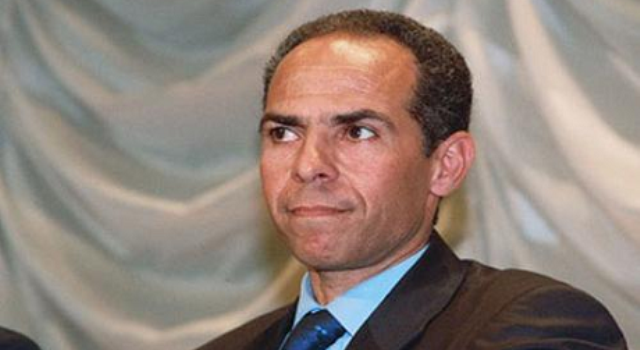
Official Opinion By, Ahmed Sayed El-Naggar chairman of state-owned media organisation Al-Ahram : Ethiopia’s ‘logic’ behind the construction of the Renaissance Dam is shocking, perhaps even more so than the issue of the dam itself.

Addis Ababa is either unaware of such a thing as international law, in place to regulate water relations among countries sharing the same watercourse, or has no respect for it to begin with. Its absurd position regarding the Renaissance Dam encourages lawless handling of water relations beyond the rules of justice.

Several Ethiopian officials, including the country’s ambassador to Cairo, said the construction of the dam is a sovereign affair and of no other country’s business, arguing that Egypt built the Aswan High Dam without consulting them. These statements do not differentiate between the source country, Ethiopia — whose actions regarding Nile water affect downstream countries — and the last downstream country on the river, Egypt, which is free to do what it wishes with its share of water because it does not affect any other state. Thus, Ethiopia does not have the right to take measures regarding the Nile without consulting other Nile Basin states.

Ethiopia’s actions require Egypt to take immediate and firm measures to address the Renaissance Dam through exercising international law and former agreements on water from Ethiopian tributaries that reach the Nile River, most prominently the Blue Nile. It also draws attention to international laws governing global water relations among countries sharing the same watercourse basin.

International law, from theft to justice

Many phases and stormy exchanges characterised the formulation of the founding principles of the international law regulating joint watercourses between two or more states. They were primarily linked to troubles, or real conflicts, over joint watercourses, although these disputes only emerged after technology advances allowed the construction of huge water reservoirs, dams and the transportation of water from natural basins to waterways in areas of fertile agricultural land suffering the absence of water.

In the beginning, it appears that the regulation of water relations among countries sharing international watercourses was more akin to robbery, as will be evidenced later.

The 19th century, especially its second half, saw the emergence of real disputes over water distribution triggered by attempts at controlling major shared watercourses. Before that, control over permanent major rivers was near impossible; only small seasonal rivers, some tributaries or minor branches of major rivers were subjected to such control.

Prior to the arrival of technology allowing humans to manage the storage and transportation of water from major permanent watercourses, main trans-border rivers naturally flowed downstream from source countries. Water usage was usually far below the river’s renewable annual revenue of water which, for long periods in history, had allowed slow agricultural expansion, usually without causing disputes over water distribution of shared rivers.

However, the population explosion that accompanied the industrial revolution — as a result of great leaps in healthcare which resulted in a sharp drop in deaths and higher birth rates — escalated the demand for a rapid agricultural expansion to meet growing needs for food and agricultural raw materials used in industry. Thus was born the necessity to provide water for the large-scale horizontal expansion of agriculture as well as its vertical intensity. The need additionally arose to enhance the use of industrial fertilisers and pesticides while balancing between soil and climate on the one hand, and appropriate crops on the other. Meanwhile, rain-fed land also began to be switched to irrigated farms, since the latter yields far higher production than the former.

All of the above begs more water, creating the incentive to build mega irrigation projects to reserve, store or transport water from natural river basins to other regions. These projects are the cause of water distribution disputes for trans-border watercourses, because shifts in demographics and technology result in interference with the natural flow of the river.

Perverse “absolute sovereignty” — from the US and Turkey to Ethiopia

This “theory”, if it can even be called that, basically states that any country has the right to exercise absolute sovereignty on the segment of any international watercourse that flows through its territories. Thus, if it is a source country then this “theory” gives it the absolute right for complete control over its waters and none to downstream states.

Known as the Harmon Doctrine, the “theory” is named after US Attorney General Judson Harmon who, in 1895, authored it to resolve the US-Mexican dispute over the Rio Grande River, which begins in the San Juan Mountains in southwest Colorado, with all its tributaries also beginning in the US. It is 3,040-km long and ends in the Gulf of Mexico.

In response to rising demands for water by US farmers to cultivate more land, water from the Rio Grande was diverted to the US states of Colorado and New Mexico in the last decades of the 19th century.

Mexican farmers suffered as a consequence and their agricultural land dried up after the Boulder Dam was built in New Mexico, depriving them of water they had previously relied on for farming and drinking. Mexico petitioned to the US, stating that diverting the river violated the interests and rights of Mexicans. The US State Department asked Attorney General Harmon to prepare a response. He wrote: “The fundamental principle of international law is the absolute sovereignty of every state, as against all others, within its own territory.” Harmon argued that control of the water originating in any country is part of the state’s absolute sovereignty over these territories, even if this control results in partial or complete deprivation for the other countries where the water naturally flowed (reference to Dr Ali Ibrahim, Laws of International Rivers and Watercourses in Light of Recent Developments in the Final International Law Committee Project Draft, Dar Al-Nahda Al-Arabiya, Cairo, 1997).

The US relied in part on Harmon’s absolute sovereignty theory in resolving its Rio Grande water dispute with Mexico at the turn of the 20th century by signing a treaty in May, 1906. Although the preamble states the desire of the US and Mexico for fair and equitable distribution of the Rio Grande, the treaty requires Mexico to waive all former or future demands on its waters. The US asserts the principle of absolute territorial sovereignty, which means it falls under no obligation towards the downstream state, Mexico.

Absolute sovereignty theory in favour of the source country is based on power and the protection of its monopoly of river water. This is a perverse foundation not unlike the laws of the jungle, far from a means of safeguarding rights or justice in the context of international relations and distribution of shared natural resources.

Since the 1906 treaty rested on unfair terms, Mexico later demanded its amendment. In February 1944, a new treaty was signed on the basis that the two countries have rights to Rio Grande waters. Nonetheless, since the US pledged in the treaty to give Mexico an annual water quota at no cost, it made it appear as though the US was granting Mexico the water rather than recognising the latter’s rights to it.

Also in the 1940s, Turkey diverted the course of the Queiq River — which begins there and irrigates the land in Syria’s Aleppo region, whose inhabitants also relied on the river for drinking — damaging large areas of Syrian farmland. In the 1980s, Turkey once again triggered a similar crisis with Syria and Iraq over the waters of the Euphrates River, based on Harmon’s doctrine, even if it did not officially admit to that. Turkey unilaterally decided to obtain, at the source, what it determined to be its water rights. It paid no consideration to Iraq and Syria’s historical claims to the river for human, livestock and agricultural life. While the water going to Iraq did indeed exceed the country’s needs, the problem was not that Turkey wanted a share of the river water, but rather the unilateral action taken by Ankara.

The Ataturk Dam and chain of Anatolia dams constructed by Turkey at the source and tributaries of the Euphrates are used to store and transfer water to flat lands beyond the river basin for agriculture as well as to generate electricity.

Although Turkey has a legitimate right to a quota of Euphrates water, especially since it is wasted in the marshes at Shatt Al-Arab and eventually washes up into the Arabian Gulf, negotiations and understandings with Syria and Iraq to determine Turkey’s share should have preceded the move so as to avoid harming the basic needs of the two other countries.

There are also examples of failed attempts to evoke absolute sovereignty by some countries to resolve disputes over shared international watercourses, such as the Ganges River between India and Bangladesh which ended in a settlement based on joint use of the water.

Absolute sovereignty or Harmon Doctrine is internationally unacceptable from a theoretical perspective, especially since it is not based on fair principles that are intellectually, conscientiously or morally acceptable. Yet, this does not prevent some countries from applying it.

While this perverse principle is unacceptable to the world, Ethiopia’s stance is rooted in it when it behaves as though no other countries existed along the river. And although it maintains it will not touch Egypt’s and Sudan’s quotas, Ethiopia refuses to sign an agreement confirming this commitment, which reduces it to mere publicity.

Absolute river rights: the opposite extreme

The complete reverse of Harmon’s Doctrine is the theory stating that all countries sharing a river basin possess the right to equal water quotas without interference or pollution. In other words, river water should follow historical flow patterns. Since this theory serves the interests of downstream states, these countries naturally champion it during water distribution negotiations with source countries.

This theory, however, is unjust to source and upstream countries because it does not allow them to use river water for agricultural or industrial purposes, which is both unreasonable and unacceptable. The only part of this theory that should be adopted is that upstream countries should not pollute the water.

Water sharing should be equitable and take into account historical quotas that are actually utilised and upon which rely the lives of people, livestock and agriculture. It should also consider the various needs of each river basin country, which this unjust theory does not. There are, however, some special cases where the river ends in an enclosed lake around which a community is founded on fishing and shore farming. In this case, the lives of the people, crops and livestock would be threatened by any reduction in water flow, which in this case would require a special review of the share of the downstream country. The absolute river rights theory, or absolute regional integration, actually becomes an extreme in the face of another, namely the “theory” of absolute sovereignty, or Harmon Doctrine, previously discussed.

Fair distribution of water

The theory of fair distribution of water, also known as limited territorial sovereignty, is based on reconciling the water interests of river basin countries in a fair manner, taking into consideration the needs and historical shares of each state when deciding water quotas.

Part of this theory states that the river cannot be diverted if this seriously violates the water rights of communities or countries across or alongside which the river flows – meaning source and upstream countries have no right to divert the watercourse because of the harm inflicted on downstream states.

Meanwhile, any action by the latter does not affect the former. Accordingly, this theory, advocated by prominent Swiss jurist George Sauser-Hall, allows downstream states broader freedoms in river water and course within the limitations of their water quotas. This more realistic, humane and moral theory form the basis of modern international law on rivers and shared international watercourses.

Egypt in an inevitable showdown with Ethiopia

When considering irrigation projects, Egypt was always focused on fair water distribution, taking into account the historical use, rather than historical flow, of river water and its impact on the lives of people, crops and livestock and resulting agricultural, industrial and service projects.

Accordingly, when Egypt carried out joint water ventures with other Nile basin countries it invariably upheld the principle of fair distribution of revenue from these projects, although it often unilaterally forked all or most of their costs.

For example, Egypt was entirely responsible for the cost of the High Dam construction, although 60 percent of the saved water went to Sudan. Also, and although it did not benefit from it at all, Egypt footed the bill for the Owen Dam in Uganda because countries along Lake Victoria refused to reserve water there for Egypt since any rise in lake water levels would harm them.

Egypt had reservations about the Framework Convention on Non-Navigational Uses of International Watercourses endorsed by the UN in 1997 because it allowed the amendment of existing agreements and the drafting of new ones on the distribution of international watercourses.

Ethiopia, as a source country, has no right to unilaterally and deliberately impact life in Egypt. On 15 May 1902, Great Britain, which occupied Egypt at the time, signed an agreement with Ethiopia’s King Menelik II who pledged Ethiopia would not build or allow the construction of works on the Blue Nile, Sobat River or Lake Tana that would restrict water flow to Egypt and Sudan without first reaching an agreement with the governments of Britain and Egypt.

France, Italy and Britain also signed an agreement in London on Abyssinia (Ethiopia) in which the fourth article states the three countries agreed to work together to protect the interests of Great Britain and Egypt in the Nile basin, especially guaranteeing that water from the Blue Nile and its tributaries reach Egypt.

Time is racing along without an agreement being reached with Ethiopia about the Renaissance Dam, safe practices, the size of its reservoir and its filling time. Taking advantage of the political situation in Egypt, Ethiopia is wasting time in endlessly evasive negotiations. Egypt has no option but immediately take the necessary steps to stop construction on the dam until an agreement is reached between Egypt, Sudan and Ethiopia. It is critical for Egypt to prepare a thorough portfolio about the dam, including all former agreements with Ethiopia, and Egypt’s actual use of every drop of its Nile water quota on which the lives of people, crops and livestock entirely rely.

Cairo should present its case to all relevant regional and international agencies, or others who could galvanise a global or regional position on the matter. Egypt must also address the countries and companies participating in the construction of the dam, to convince them to stop work until an agreement is reached among Blue Nile countries.


All conscious measures must be instantly taken to compel Ethiopia to respect Egypt’s rights. The legitimate defence of Egypt’s life and its citizenry’s rises above any other. Sources: Al-Ahram
Ahmed_Sayed_al-Naggar
Egypt challenges Ethiopia’s ‘logic’ the dam is ‘Sovereign Affair’
96 9 Google +0
Djibouti (HAN) April 21, 2014 – Editorial Note from the Editor of Geeska Afrika Online – Interim President Adly Mansour said that the security of the Middle East and North Africa zone are one of Egypt’s national security priorities, and that Egypt was fighting the war on terror on behalf of the Middle East regions interests.
Answering a question about the Grand Renaissance Ethiopian Dam, currently under construction on the Blue Nile in Ethiopia, Mansour said the project was a “great challenge.”
The Egyptian and Ethiopian leaders have met last year in Kuwait for the first time to discuss tensions over Ethiopia’s construction of a huge hydropower dam on the river Nile but the meeting ended without any agreement, sources said.  “The problem of the Renaissance Dam is that some countries want to have big projects without consultation. This is a dangerous matter as they neglect the interest of other countries like Egypt,” he said. Egyptian interim president Adly Mansour has promised the to the Egyptian People that he will “spare no effort” in his attempts to secure their Great Assets -Nile water.

Official Opinion By, Ahmed Sayed El-Naggar chairman of state-owned media organisation Al-Ahram : Ethiopia’s ‘logic’ behind the construction of the Renaissance Dam is shocking, perhaps even more so than the issue of the dam itself.
Addis Ababa is either unaware of such a thing as international law, in place to regulate water relations among countries sharing the same watercourse, or has no respect for it to begin with. Its absurd position regarding the Renaissance Dam encourages lawless handling of water relations beyond the rules of justice.
Several Ethiopian officials, including the country’s ambassador to Cairo, said the construction of the dam is a sovereign affair and of no other country’s business, arguing that Egypt built the Aswan High Dam without consulting them. These statements do not differentiate between the source country, Ethiopia — whose actions regarding Nile water affect downstream countries — and the last downstream country on the river, Egypt, which is free to do what it wishes with its share of water because it does not affect any other state. Thus, Ethiopia does not have the right to take measures regarding the Nile without consulting other Nile Basin states.
Ethiopia’s actions require Egypt to take immediate and firm measures to address the Renaissance Dam through exercising international law and former agreements on water from Ethiopian tributaries that reach the Nile River, most prominently the Blue Nile. It also draws attention to international laws governing global water relations among countries sharing the same watercourse basin.
International law, from theft to justice
Many phases and stormy exchanges characterised the formulation of the founding principles of the international law regulating joint watercourses between two or more states. They were primarily linked to troubles, or real conflicts, over joint watercourses, although these disputes only emerged after technology advances allowed the construction of huge water reservoirs, dams and the transportation of water from natural basins to waterways in areas of fertile agricultural land suffering the absence of water.
In the beginning, it appears that the regulation of water relations among countries sharing international watercourses was more akin to robbery, as will be evidenced later.
The 19th century, especially its second half, saw the emergence of real disputes over water distribution triggered by attempts at controlling major shared watercourses. Before that, control over permanent major rivers was near impossible; only small seasonal rivers, some tributaries or minor branches of major rivers were subjected to such control.
Prior to the arrival of technology allowing humans to manage the storage and transportation of water from major permanent watercourses, main trans-border rivers naturally flowed downstream from source countries. Water usage was usually far below the river’s renewable annual revenue of water which, for long periods in history, had allowed slow agricultural expansion, usually without causing disputes over water distribution of shared rivers.
However, the population explosion that accompanied the industrial revolution — as a result of great leaps in healthcare which resulted in a sharp drop in deaths and higher birth rates — escalated the demand for a rapid agricultural expansion to meet growing needs for food and agricultural raw materials used in industry. Thus was born the necessity to provide water for the large-scale horizontal expansion of agriculture as well as its vertical intensity. The need additionally arose to enhance the use of industrial fertilisers and pesticides while balancing between soil and climate on the one hand, and appropriate crops on the other. Meanwhile, rain-fed land also began to be switched to irrigated farms, since the latter yields far higher production than the former.
All of the above begs more water, creating the incentive to build mega irrigation projects to reserve, store or transport water from natural river basins to other regions. These projects are the cause of water distribution disputes for trans-border watercourses, because shifts in demographics and technology result in interference with the natural flow of the river.
Perverse “absolute sovereignty” — from the US and Turkey to Ethiopia
This “theory”, if it can even be called that, basically states that any country has the right to exercise absolute sovereignty on the segment of any international watercourse that flows through its territories. Thus, if it is a source country then this “theory” gives it the absolute right for complete control over its waters and none to downstream states.
Known as the Harmon Doctrine, the “theory” is named after US Attorney General Judson Harmon who, in 1895, authored it to resolve the US-Mexican dispute over the Rio Grande River, which begins in the San Juan Mountains in southwest Colorado, with all its tributaries also beginning in the US. It is 3,040-km long and ends in the Gulf of Mexico.
In response to rising demands for water by US farmers to cultivate more land, water from the Rio Grande was diverted to the US states of Colorado and New Mexico in the last decades of the 19th century.
Mexican farmers suffered as a consequence and their agricultural land dried up after the Boulder Dam was built in New Mexico, depriving them of water they had previously relied on for farming and drinking. Mexico petitioned to the US, stating that diverting the river violated the interests and rights of Mexicans. The US State Department asked Attorney General Harmon to prepare a response. He wrote: “The fundamental principle of international law is the absolute sovereignty of every state, as against all others, within its own territory.” Harmon argued that control of the water originating in any country is part of the state’s absolute sovereignty over these territories, even if this control results in partial or complete deprivation for the other countries where the water naturally flowed (reference to Dr Ali Ibrahim, Laws of International Rivers and Watercourses in Light of Recent Developments in the Final International Law Committee Project Draft, Dar Al-Nahda Al-Arabiya, Cairo, 1997).
The US relied in part on Harmon’s absolute sovereignty theory in resolving its Rio Grande water dispute with Mexico at the turn of the 20th century by signing a treaty in May, 1906. Although the preamble states the desire of the US and Mexico for fair and equitable distribution of the Rio Grande, the treaty requires Mexico to waive all former or future demands on its waters. The US asserts the principle of absolute territorial sovereignty, which means it falls under no obligation towards the downstream state, Mexico.
Absolute sovereignty theory in favour of the source country is based on power and the protection of its monopoly of river water. This is a perverse foundation not unlike the laws of the jungle, far from a means of safeguarding rights or justice in the context of international relations and distribution of shared natural resources.
Since the 1906 treaty rested on unfair terms, Mexico later demanded its amendment. In February 1944, a new treaty was signed on the basis that the two countries have rights to Rio Grande waters. Nonetheless, since the US pledged in the treaty to give Mexico an annual water quota at no cost, it made it appear as though the US was granting Mexico the water rather than recognising the latter’s rights to it.
Also in the 1940s, Turkey diverted the course of the Queiq River — which begins there and irrigates the land in Syria’s Aleppo region, whose inhabitants also relied on the river for drinking — damaging large areas of Syrian farmland. In the 1980s, Turkey once again triggered a similar crisis with Syria and Iraq over the waters of the Euphrates River, based on Harmon’s doctrine, even if it did not officially admit to that. Turkey unilaterally decided to obtain, at the source, what it determined to be its water rights. It paid no consideration to Iraq and Syria’s historical claims to the river for human, livestock and agricultural life. While the water going to Iraq did indeed exceed the country’s needs, the problem was not that Turkey wanted a share of the river water, but rather the unilateral action taken by Ankara.
The Ataturk Dam and chain of Anatolia dams constructed by Turkey at the source and tributaries of the Euphrates are used to store and transfer water to flat lands beyond the river basin for agriculture as well as to generate electricity.
Although Turkey has a legitimate right to a quota of Euphrates water, especially since it is wasted in the marshes at Shatt Al-Arab and eventually washes up into the Arabian Gulf, negotiations and understandings with Syria and Iraq to determine Turkey’s share should have preceded the move so as to avoid harming the basic needs of the two other countries.
There are also examples of failed attempts to evoke absolute sovereignty by some countries to resolve disputes over shared international watercourses, such as the Ganges River between India and Bangladesh which ended in a settlement based on joint use of the water.
Absolute sovereignty or Harmon Doctrine is internationally unacceptable from a theoretical perspective, especially since it is not based on fair principles that are intellectually, conscientiously or morally acceptable. Yet, this does not prevent some countries from applying it.
While this perverse principle is unacceptable to the world, Ethiopia’s stance is rooted in it when it behaves as though no other countries existed along the river. And although it maintains it will not touch Egypt’s and Sudan’s quotas, Ethiopia refuses to sign an agreement confirming this commitment, which reduces it to mere publicity.
Absolute river rights: the opposite extreme
The complete reverse of Harmon’s Doctrine is the theory stating that all countries sharing a river basin possess the right to equal water quotas without interference or pollution. In other words, river water should follow historical flow patterns. Since this theory serves the interests of downstream states, these countries naturally champion it during water distribution negotiations with source countries.
This theory, however, is unjust to source and upstream countries because it does not allow them to use river water for agricultural or industrial purposes, which is both unreasonable and unacceptable. The only part of this theory that should be adopted is that upstream countries should not pollute the water.
Water sharing should be equitable and take into account historical quotas that are actually utilised and upon which rely the lives of people, livestock and agriculture. It should also consider the various needs of each river basin country, which this unjust theory does not. There are, however, some special cases where the river ends in an enclosed lake around which a community is founded on fishing and shore farming. In this case, the lives of the people, crops and livestock would be threatened by any reduction in water flow, which in this case would require a special review of the share of the downstream country. The absolute river rights theory, or absolute regional integration, actually becomes an extreme in the face of another, namely the “theory” of absolute sovereignty, or Harmon Doctrine, previously discussed.
Fair distribution of water
The theory of fair distribution of water, also known as limited territorial sovereignty, is based on reconciling the water interests of river basin countries in a fair manner, taking into consideration the needs and historical shares of each state when deciding water quotas.
Part of this theory states that the river cannot be diverted if this seriously violates the water rights of communities or countries across or alongside which the river flows – meaning source and upstream countries have no right to divert the watercourse because of the harm inflicted on downstream states.
Meanwhile, any action by the latter does not affect the former. Accordingly, this theory, advocated by prominent Swiss jurist George Sauser-Hall, allows downstream states broader freedoms in river water and course within the limitations of their water quotas. This more realistic, humane and moral theory form the basis of modern international law on rivers and shared international watercourses.
Egypt in an inevitable showdown with Ethiopia
When considering irrigation projects, Egypt was always focused on fair water distribution, taking into account the historical use, rather than historical flow, of river water and its impact on the lives of people, crops and livestock and resulting agricultural, industrial and service projects.
Accordingly, when Egypt carried out joint water ventures with other Nile basin countries it invariably upheld the principle of fair distribution of revenue from these projects, although it often unilaterally forked all or most of their costs.
For example, Egypt was entirely responsible for the cost of the High Dam construction, although 60 percent of the saved water went to Sudan. Also, and although it did not benefit from it at all, Egypt footed the bill for the Owen Dam in Uganda because countries along Lake Victoria refused to reserve water there for Egypt since any rise in lake water levels would harm them.
Egypt had reservations about the Framework Convention on Non-Navigational Uses of International Watercourses endorsed by the UN in 1997 because it allowed the amendment of existing agreements and the drafting of new ones on the distribution of international watercourses.
Ethiopia, as a source country, has no right to unilaterally and deliberately impact life in Egypt. On 15 May 1902, Great Britain, which occupied Egypt at the time, signed an agreement with Ethiopia’s King Menelik II who pledged Ethiopia would not build or allow the construction of works on the Blue Nile, Sobat River or Lake Tana that would restrict water flow to Egypt and Sudan without first reaching an agreement with the governments of Britain and Egypt.
France, Italy and Britain also signed an agreement in London on Abyssinia (Ethiopia) in which the fourth article states the three countries agreed to work together to protect the interests of Great Britain and Egypt in the Nile basin, especially guaranteeing that water from the Blue Nile and its tributaries reach Egypt.
Time is racing along without an agreement being reached with Ethiopia about the Renaissance Dam, safe practices, the size of its reservoir and its filling time. Taking advantage of the political situation in Egypt, Ethiopia is wasting time in endlessly evasive negotiations. Egypt has no option but immediately take the necessary steps to stop construction on the dam until an agreement is reached between Egypt, Sudan and Ethiopia. It is critical for Egypt to prepare a thorough portfolio about the dam, including all former agreements with Ethiopia, and Egypt’s actual use of every drop of its Nile water quota on which the lives of people, crops and livestock entirely rely.
Cairo should present its case to all relevant regional and international agencies, or others who could galvanise a global or regional position on the matter. Egypt must also address the countries and companies participating in the construction of the dam, to convince them to stop work until an agreement is reached among Blue Nile countries.
All conscious measures must be instantly taken to compel Ethiopia to respect Egypt’s rights. The legitimate defence of Egypt’s life and its citizenry’s rises above any other. Sources: Al-Ahram
- See more at: http://geeskaafrika.com/egypt-challenges-ethiopias-logic-dam-sovereign-affair/2555/#sthash.AC3QQhxc.dpuf